

Dental Hygiene for Dogs: Home Care Tips and Vet Advice
Most dogs over the age of three develop dental disease, and it does not stay confined to the mouth.
Gum infection can mean pain, tooth loss, and even a higher risk of heart and kidney issues.
The good news is that you can prevent most of it with simple dental care habits.
This post breaks down the essentials of Dental Hygiene for Dogs so you know what truly matters.
You will learn why oral care protects whole-body health, how to spot trouble early, and what you can do at home each day.
You will also receive clear guidance on when to consult a veterinarian and what professional care entails.
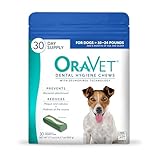
- Help keep your dog’s teeth cleaner, reduce plaque and tartar build-up, and fight bad breath with the chew veterinarians give to their own dogs, the first and only dental care product for dogs containing delmopinol. (Data on file at Boehringer Ingelheim.)
- Delmopinol forms a barrier to help protect against the harmful bacteria that contribute to bad breath. It has been used for years in human oral rinses to help improve dental hygiene.
- Each once-a-day chew uses your dog’s chewing action to loosen and dislodge plaque, helping it break away from teeth down to the gumline, and reduces plaque and tartar build-up.
- Made for dogs and puppies six months of age or older weighing 3.5 pounds or more, ORAVET chews comes in easy-to-give individually wrapped chews that are formulated to be easily digestible and have a vanilla aroma with a poultry flavor.
- Try ORAVET Dental Hygiene Chews today and learn why they are the chew veterinarians give to their own dogs.
Last update on 2026-01-04 / Affiliate links / Images from Amazon Product Advertising API
Here is the plan.
We will cover warning signs such as bad breath, red or bleeding gums, yellow tartar, drooling, or pawing at the mouth.
Then we will share easy home care options, such as brushing with dog toothpaste, innovative dental chews, water additives, and wipes that fit busy routines.
You will finish with vet-backed advice on checkups, cleanings, and breed risks, so you can act before problems get costly.
Strong Dental Hygiene for Dogs means a happier pup, fresher breath, and fewer surprises at the clinic.
Ready to make tooth care part of your routine?
For a quick preview from a veterinarian, this short video is helpful:
Why Dental Hygiene for Dogs Matters More Than You Think
Dental hygiene for dogs does more than freshen breath.
It protects your dog’s mouth, oral health, comfort, and long-term well-being.
Over 80% of dogs develop dental disease by the age of three, which means most pets require daily care, not just yearly cleanings.
Good habits pay off with fresher breath, less pain, better eating habits, and lower veterinary bills.
The Hidden Health Risks of Ignoring Dog Dental Care
Bad breath is usually the first warning sign. It originates from plaque and bacteria that become stuck along the gumline.
If you ignore it, gums get red and swollen, then recede.
Teeth loosen, leading to tooth loss, and chewing becomes a struggle, making meals difficult.
You might see your puppy stop grabbing favorite toys because the pressure hurts, or your senior dog paw at the mouth and skip kibble.
Here is where it gets serious.
Bacteria can infiltrate under inflamed gums and enter the bloodstream, potentially leading to systemic infections.
That can stress the kidneys and liver, and contribute to heart disease over time.
Vets see links between severe periodontal disease and organ problems, which is why routine oral care matters beyond the mouth.
For a helpful overview of warning signs and vet guidance, check the AVMA’s pet dental care.
You can also review common consequences, ranging from gum disease to tooth loss, in this summary from PetMD on neglecting a dog’s teeth.
Small, daily dental care steps prevent the spiral:
- Brush your dog’s teeth daily with dog-safe toothpaste; even 30 seconds can help.
- Use VOHC-accepted chews to reduce plaque between brushes.
- Add water additives or dental wipes for quick plaque control.
- Book regular vet checks to spot problems early.
The payoff is real: cleaner mouths, less pain, better appetite, and fewer costly procedures.
Daily care has become the standard advice for 2025 because small, consistent routines keep bacteria in check.
Start now, and you protect your dog’s smile and whole-body health for years.
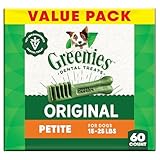
- Perfect Dog Treats For Daily Dental Care: Greenies natural dog teeth cleaning treats are crafted to support the 4 areas veterinarians check most: plaque, tartar, gums, & breath and are made with natural ingredients plus vitamins, minerals & nutrients
- Veterinarian-Recommended Dog Dental Treats: Greenies Dental Dog Treats are veterinarian-recommended dental treats for dogs that clean teeth and freshen breath
- Dental Chews For Dogs Fights Tartar: Including Greenies teeth cleaning dog treats into your daily dog dental care routine supports 47% less tartar accumulation and 40% less plaque accumulation in 28 days (Data on file)
- Clinically Proven Dog Teeth Cleaning Treat: This dog dental chew offers clinically proven dog dental care to help maintain your four-legged friend’s oral hygiene
- Unique Texture For Dog Teeth Cleaning: Made for a dog between 15-25 lbs., these Greenies dog treats have a unique design that cleans down to the gumline and positively balances the oral microbiome to help support whole-body health

Last update on 2026-01-04 / Affiliate links / Images from Amazon Product Advertising API
Spotting Early Signs of Dental Problems in Your Dog
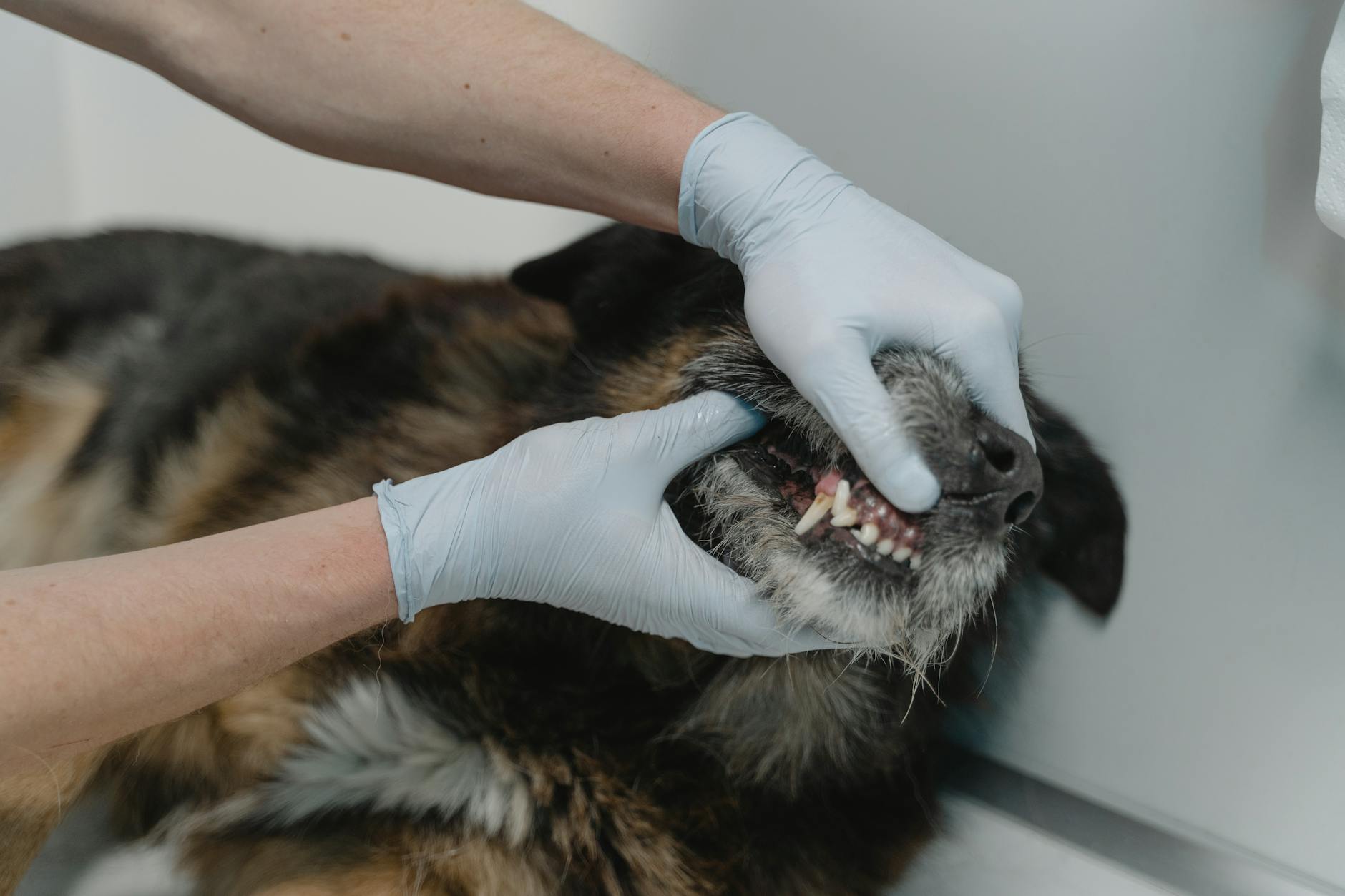
Photo by Tima Miroshnichenko
Catching problems early is the easiest way to protect your dog’s mouth and wallet.
Small changes in breathing, eating, or behavior often indicate gum trouble or underlying pain.
Use these cues to determine what requires simple home care and what warrants a veterinary visit.
This keeps Dental Hygiene for Dogs simple and effective.
What Bad Breath and Other Clues Tell You About Your Dog’s Teeth
Bad breath is not just “dog breath.”
It often means plaque is building up along the gumline.
That buildup irritates the gums, which can lead to infection and bone loss if left unattended.
A persistent odor that lingers after brushing or using dental chews is a red flag.
Other common signs to watch:
- Yellow or brown tartar stuck near the gums, especially on back molars.
- Red, puffy, or bleeding gums, even with light chewing or after play.
- Drooling more than usual or ropey saliva.
- Pawing at the mouth, face rubbing, or avoiding tug toys may indicate oral pain.
- Eating changes, like dropping kibble, chewing on one side, or skipping meals.
When is it worry-worthy versus normal?
- Mild morning breath after sleep or a fishy scent right after a fish-based meal can be normal. It should fade fast.
- Breath that smells sour or rotten, accompanied by tartar or gum redness, requires attention. Pain signs, mouth swelling, or bleeding require a vet check soon.
- Sudden refusal to eat, swelling under the eye, or loose teeth are signs of an urgent issue.
How to check at home, gently:
- Pick a calm moment. Lift the lip from the side. Look for gum color, tartar, and any sores.
- Smell the breath up close. Note changes over a few days.
- Press the gumline lightly with a finger. Healthy gums are pink and not tender.
- Watch a meal. Dropping food or slow chewing can be a sign of pain.
If you spot two or more signs, book a dental exam within a week.
Annual veterinary dental checks are a smart baseline for all dogs, and twice-yearly check-ups are wise for small breeds or puppies with a history of issues.
For a quick symptom refresher, see these guides on warning signs of periodontal disease in pets and common signs of tooth pain in dogs.
Early action keeps problems small and sets you up for prevention in the following steps.
Simple Home Tips for Better Dental Hygiene for Dogs
Daily habits keep plaque from turning into stubborn tartar. Start small, stay consistent, and make tooth care feel like a quick game.
Dental Hygiene for Dogs works best when paired with innovative chews, water additives, and a diet that scrubs as your dog eats.
How to Do Brushing Your Dog’s Teeth Without the Fight
Brushing your dog’s teeth is the gold standard.
Keep it short, calm, and tasty.
- Pick the right tools. Use enzymatic canine toothpaste in chicken, beef, or peanut flavors. Start with a finger brush or gauze. Graduate to a soft, dog-size toothbrush when your pup accepts it. For a visual refresher on your dog’s teeth, see this step-by-step guide to brushing your dog’s teeth.
- Warm up first. Let your dog lick a pea-sized dab from your finger. Gently rub the paste along the outer teeth and gums.
- Brush smart. Lift the lip and brush in small, circular motions. Aim for 30 seconds per side, focusing on the outer surfaces where plaque tends to accumulate most.
- Keep sessions short. Start with 10 to 20 seconds if needed. Add a few seconds each day.
- Reward heavily. End with praise, a tiny treat, or a quick game. Your dog should look forward to this.
Tips for resistant dogs:
- Try brushing your dog after exercise, when they are relaxed.
- Use a lick mat with toothpaste for positive associations.
- Stop before your dog pulls away to maintain trust.
Frequency:
- Daily brushing is best for achieving absolute plaque control and preventing tartar.
- Weekly is the minimum if you are starting.
Safety notes:
- Only use dog toothpaste. Human paste and baking soda can be toxic to dogs.
- Skip mint oils and xylitol. Both can be risky.
- A pinch of fresh parsley or a parsley water ice cube can freshen breath, but brushing still does the real work.

- SOOTHING AND EFFECTIVE: Vet’s Best Enzymatic Dental Gel is a veterinarian-formulated blend with aloe, neem oil, grapefruit seed extract, baking soda, and enzymes to calm your dog’s gums while efficiently removing plaque and tartar buildup.
- CLEANS & FRESHENS BREATH: Vet’s Best Enzymatic Dog Toothpaste Gel gently cleans teeth and gums while fighting plaque and tartar. This soothing formula with aloe, enzymes, and neem oil freshens breath and supports oral health between vet dental visits.
- PART OF A HEALTHY ORAL REGIMEN: Use Enzymatic Dental Gel daily to help maintain your dog’s oral health by reducing plaque & tartar buildup, supporting healthy gums, keeping breath fresh—an easy addition between veterinary cleanings for cleaner dog teeth.
- NATURAL FLAVORS YOUR DOG LOVES: Made with natural flavors dogs enjoy, this enzymatic gel not only whitens teeth & freshens breath while it makes dental care a positive experience; Keep your dog’s mouth feeling clean & healthy with every tasty application.
- SAME TRUSTED FORMULA, NEW PACKAGE: Vet’s Best dental gel now comes in a convenient squeeze tube for easy, precise application. Enjoy the same veterinarian-formulated, trusted ingredients that make daily oral care simple and effective for you and your dog.
Last update on 2026-01-04 / Affiliate links / Images from Amazon Product Advertising API
Best Dental Chews and Diet Choices to Reduce Tartar Buildup
Chews and diet fill the gaps between brushes.
Choose Veterinary Oral Health Council-accepted, digestible chews that fit your dog’s size and calorie needs.
For product ideas backed by vets, review these vet-recommended dental chews that reduce tartar.
What works well:
- Low-calorie dental chews: Look for ridges or porous textures that scrub teeth. Rotate sizes to match jaw strength.
- Dental food: Kibble like Hill’s t/d has fiber that resists crumbling, so it wipes the tooth surface as your dog bites.
- Dental water additive: Easy daily support for plaque bacteria. Add to fresh water once or twice a day.
- Dental wipes: Handy on busy days or for dogs who hate brushes.
- Dental treats: Great for encouraging good habits while targeting tartar.
Quick pros and cons:
- Chews, easy and enjoyable; watch calories and supervise chewing.
- Dental diets, reliable plaque control, may not suit food-sensitive dogs.
- Water additives, fast and straightforward; choose vet-approved formulas.
- Wipes and gels are great backups; they are less effective than brushing.
Keep it safe:
- Avoid hard bones, antlers, and hooves. If it hurts your nail, it can crack a tooth.
- Stick to products your veterinarian supports, especially for puppies, seniors, or dogs with a history of dental work. Supervise dog chews closely to prevent choking.
- Track calories from chews to prevent weight gain. Adjust meals if needed.
Consistency drives results.
Pair daily brushing with a chew or additive, and you will see cleaner teeth, fresher breath, and a happier mouth.
Professional Vet Care: The Key to Long-Term Dog Dental Health

Photo by Tima Miroshnichenko
Regular home care is powerful, but it cannot do everything.
A veterinarian’s professional care fills the gaps you cannot see, protects the gums below the surface, and prevents minor issues from escalating into major problems.
Pair it with your daily routine to achieve the best results for your dog’s dental hygiene.
Annual Exams and Cleanings: What to Expect
A yearly oral exam lets your vet spot tartar, gingivitis, tooth fractures, and jaw pain early in your dog’s teeth.
When a cleaning is needed, it happens under anesthesia for precision and comfort.
This is the standard for safe, thorough teeth cleaning, also known as dental prophylaxis.
For a clear overview, see the AVDC guide on professional cleanings.
During a professional cleaning, your vet team will:
- Take dental X-rays to check roots and jawbone.
- Scale plaque and tartar above and below the gumline.
- Polish tooth surfaces to slow new plaque.
- Flush gums and chart pockets, teeth, and problem areas.
- Perform extractions if a tooth is infected, broken, or unstable.
Anesthesia is carefully managed through pre-anesthetic blood work, IV fluids, and continuous monitoring.
Healthy dogs, seniors, and small breeds can all be good candidates with proper screening.
Costs and Why It Is Worth It
Prices vary depending on location, size, and whether dental X-rays or other procedures are required.
Recent estimates place the cost of cleanings from general veterinarians in the low hundreds, and specialist veterinary dentists’ care is higher if advanced treatment is needed.
Review current ranges in this breakdown of dog teeth cleaning costs.
Why it pays off:
- Prevention saves money by avoiding infections and extractions.
- Comfort improves chewing, play, and mood.
- Whole-body health benefits when gum bacteria are controlled.
Aftercare and How to Keep Results Strong
Your dog may be able to go home the same day.
Expect:
- Soft food for 3 to 5 days if gums are tender.
- Pain meds and antibiotics if extractions were done.
- No hard chews or rough play until cleared.
- A recheck if advised.
Keep the sparkle with a simple routine:
- Brush most days with dog toothpaste.
- Add dental wipes or a water additive on busy days.
- Use safe dental chews to support the gumline.
This combo locks in the benefits of professional care and makes Dental Hygiene for Dogs easier to maintain all year.
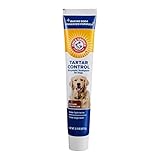
- PROMOTES HEALTHY GUMS – Gently and effectively eliminates bad breath, reduces tartar buildup, and whitens and brightens your dog’s teeth
- MADE WITH NATURAL INGREDIENTS – Formulated with natural ingredients that work as a dog breath freshener leaving a pleasant mint scent to fight bad dog breath
- USE WITH FINGER OR A TOOTHBRUSH – For first time brushers, put a small amount of toothpaste on your finger and invite dog to lick it off. Slowly progress to rubbing your finger along the gum line and teeth. For best results, brush 2-3 times per week
- 100% SAFE – Infused with baking soda, this enzymatic gel is suitable for all dogs and puppies and is a safe, gentle, and effective way to care for your dog’s teeth
- YOUR SATISFACTION IS OUR PRIORITY – If you have any questions or feedback, please contact us via email
Last update on 2026-01-04 / Affiliate links / Images from Amazon Product Advertising API
Our Conclusion
Good oral health supports a healthy dog, from steady eating to strong energy and a longer, happier life.
You now have the essentials: watch for bad breath, red or bleeding gums, tartar along the gumline, changes in chewing, and face pawing.
Maintain a simple home routine, including daily brushing whenever possible, supplemented by VOHC chews, water additives, wipes, and a diet that helps clean as your dog eats.
Pair that with regular vet exams and cleanings to protect the areas you cannot see and to catch trouble early.
Start tonight by brushing for 30 seconds per side, then set a reminder to schedule your dog’s next dental checkup. Small, steady steps add up fast.
Your care reduces pain, lowers the risk of infection, and can prevent costly procedures.
Make Dental Hygiene for Dogs part of your routine.
Picture your pup chewing with ease, playing without hesitation, and greeting you with fresh breath.
Thanks for reading, and share what is working for your dog so others can learn too.


