
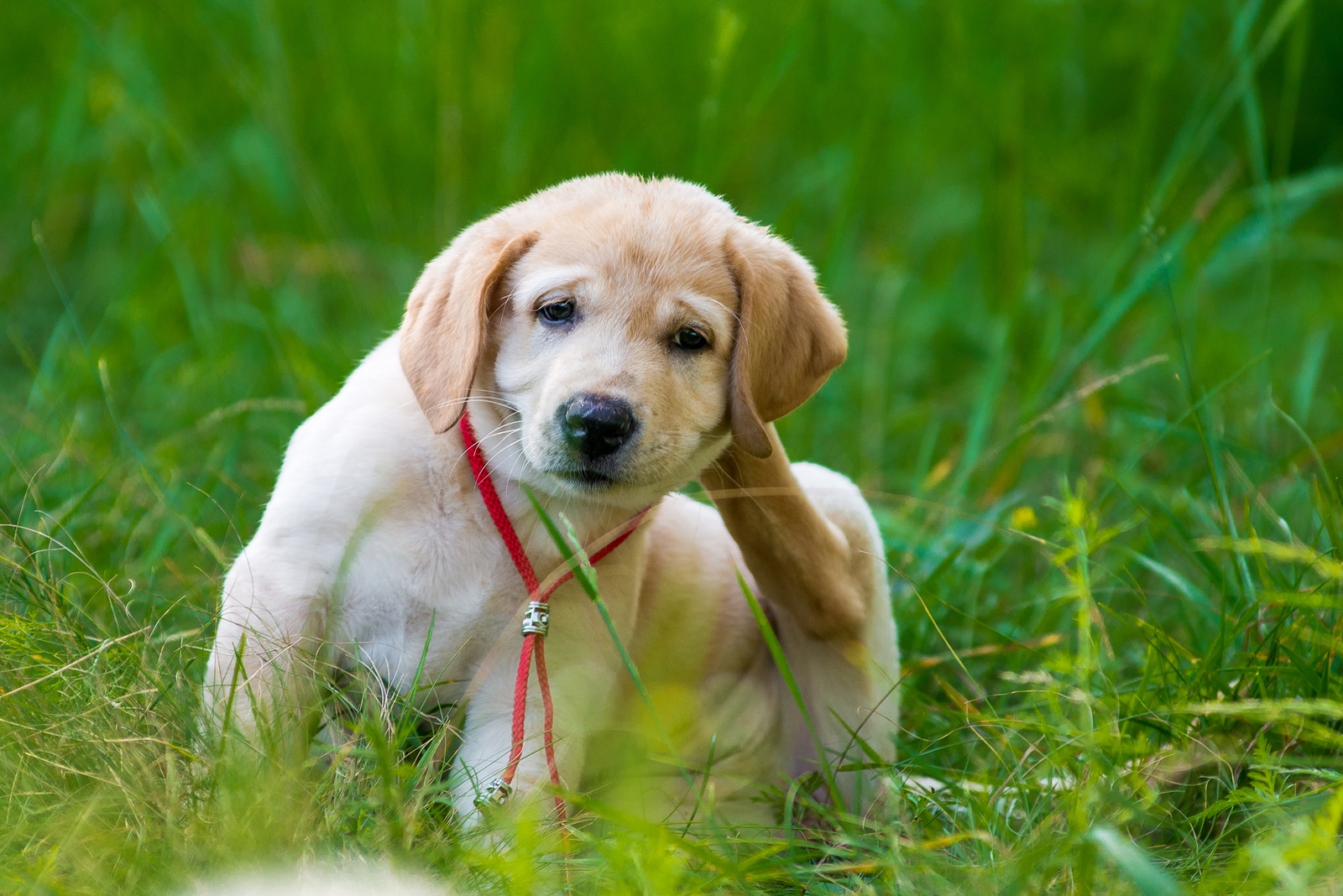
Puppy Proofing Your Home: Simple Steps to Keep Your New Puppy Safe at Home
Imagine your new puppy turning your cozy home into a chaotic obstacle course in mere minutes.
Puppies explore with boundless curiosity, often leading to potentially dangerous mishaps, according to the ASPCA’s pet safety reports.
This guide equips you with an essential supplies checklist, room-by-room strategies-from securing living room cords and kitchen cabinets to bedroom and bathroom precautions-and yard protection tips, plus vital training advice.
Discover how to effortlessly safeguard your pup.

- Easy To Install – Split design, easy to wrap around cords without any hassle and the cord protector can be easily cut to any desired length.
- Keep Cords & Pets Protected – Ultra-durable and bite-resistant PET material, plus 50% edge overlap, effectively prevents your pets from chewing cords.
- Safe for Kids & Pets – Our cord covers are made from RoHS-compliant, scent-free material, ensuring safety for both your pets and children.
- Complement Your Home Decor – The sleek woven design and classic color blend in nicely with your decor; Also, it is flexible to bend and fit into tight areas.
- Versatile & Durable – Offers excellent resistance to abrasion, chemicals, and heat (withstanding up to 302°F), making it ideal for home, industrial, and automotive use.
Last update on 2026-09-18 / Affiliate links / Images from Amazon Product Advertising API
Essential Supplies Checklist
_1.jpeg)
Stock these 12 essential items totaling under $150 to create an impenetrable puppy fortress. This checklist covers key areas like electrical safety, cabinet access, and chewing prevention. Gather them before your puppy arrives for a smooth home safety setup.
Focus on outlet covers and baby gates first to block immediate puppy hazards. Then add cabinet locks and chew toys for ongoing pet proofing. These tools mimic childproofing tactics adapted for curious pups.
Installation follows a simple priority: outlets and gates in Week 1, locks and toys in Week 2. This timeline prevents rushed, error-prone decisions during your puppy’s teething phase. The total cost is about $142 for full protection.
| Item | Recommended Brand | Price | Where to Buy | Purpose |
|---|---|---|---|---|
| Jool Baby Gate | Jool | $45 | Amazon | Blocks stairs and rooms to prevent falls and unsupervised access |
| Safety 1st Outlet Covers (36pk) | Safety 1st | $8 | Target | Covers power outlets to stop chewing and shocks |
| Cord Edge | Cord Edge | $12 | Home Depot | Protects electrical cords from destructive chewing |
| Dreambaby Cabinet Locks (2pk) | Dreambaby | $6 | Walmart | Secures cabinets holding cleaning supplies and chemicals |
| SimpleHuman Trash Can | SimpleHuman | $130 | Amazon | Provides a safe chew toy for teething and mental stimulation |
| Kong Classic Toy | Kong | $10 | Petco | Provides safe chew toy for teething and mental stimulation |
| Cardboard Scratch Post | Generic | $5 | Pet Store | Diverts scratching from furniture |
| Enzyme Cleaner | Generic | $10 | Petco | Removes urine odors and stains |
| Puppy Pads | Generic | $10 | Walmart | Aids house training during accidents |
| Leash and Harness | Generic | $15 | Target | Ensures safe walks and prevents pulling |
| Dog Bed | Generic | $15 | Amazon | Offers comfortable safe sleeping spot |
| Flea Comb | Generic | $6 | Petco | Controls fleas without harsh chemicals |
Total cost: $142. Adjust based on your home’s needs, like adding more cord protectors for homes with many chargers. Experts recommend testing each item for durability against puppy behavior.
Securing the Living Room
Living rooms pose the highest risk for puppies due to electrical cords and furniture chewing. These areas see the most injuries from curious pups exploring. Focus on puppy-proofing cables first for home safety.
Puppies love to chew on dangling cords and investigate outlets. This leads to shocks or ingestion hazards. Secure these puppy hazards to prevent trips to the vet.
Start by inspecting behind TVs and couches for hidden dangers. Use cord protectors and outlet covers everywhere. Pair this with supervision for full pet proofing.
Common oversights include extension cords under rugs. Elevate chargers and bundle extras. These steps make your living room a safe space for play.
Cables and Cords
Electrical cords cause many ER visits for puppies. Here’s how to eliminate this risk in 15 minutes. Follow these steps to prevent quick chewing.
Unplug everything first to assess the mess. Inspect all power outlets and visible cords.
This clears the path for safe installation.
- Unplug all devices and gather tools.
- Install Safety 1st outlet covers in every outlet.
- Apply Cord Edge protectors along baseboards and walls.
- Bundle excess cables with Cable Turtle organizers.
- Elevate chargers using Command Hooks three feet off the floor.
A common mistake is missing TV cables behind furniture. Pull furniture out and wrap those, too. Before, cords dangled like chew toys. Afterward, everything stays tidy and out of reach.
Pro tip: Spray bitter apple spray like Grannick’s on unavoidable cords. It deters chewing without harm. Combine with safe chew toys to redirect puppy energy.

- 🥳【Super Adhesion and Safety】This excellent edge protector is made of innovative eco-friendly nano material, which is non-toxic, non-slip, extra sticky, soft and highly elastic, not easy to deform and safe for human. Our edge protectors are the perfect gift for your baby.
- 🥳【Soft and Transparent】The child safety edge protectoris size 0.8in x 3.3ft, 0.08in thick. Our baby edge protectors are completely transparent to maintain the original appearance of the furniture while providing safety and protection for your baby and child. With a protective edge layer that will not tear easily.
- 🥳【Lasts Long Time】The material of our table edge protector has been improved to adhere better and last longer on the furniture, does not peel off easily, while it is easy to remove and does not damage the furniture. NOTE: Cement walls, white plaster walls and other uneven surfaces should not be used.
- 🥳【Easy to Install and Remove】With the pre-installed adhesive strips, everything is easier and faster. Cut it to the size you want, place it on a clean surface, stick it on and smooth it with your hands. Heat it with a hair dryer before removing it and tear it off slowly to prevent furniture from tearing.
- 🥳【Suitable for Many Scenarios】Edge protector can be applied to home security guard, refrigerator, sink, stairs, fireplace, tables, furniture, beds, kitchen units, bedrooms, TV cabinets, stove and more, great for many kinds of furniture with different shapes at home or school, day care centers.
Last update on 2026-09-18 / Affiliate links / Images from Amazon Product Advertising API
Kitchen Safety Measures
The kitchen poses the highest risk of poisoning for puppies due to cleaning supplies and food. Secure cabinets and trash first to block access to these puppy hazards. Use proven childproofing methods adapted for pet proofing your home.
Kitchens account for 28% of toxic ingestions, so secure them first using these proven childproofing methods. Puppies explore with their mouths, making chemical storage a top concern. Start with cabinet locks and a secure trash can to prevent mishaps.
Focus on drawer latches for utensils and a step trash can with a locking lid. These steps take little time but offer big gains in doggie safety. Combine with supervision for full kitchen protection during the teething phase.
Elevate trash and lock away laundry and dishwasher detergent pods. Experts recommend these basics for any puppy-proofing plan. Your home safety routine will keep your pup safe from common kitchen dangers.
Cabinets and Trash
One unsecured cabinet causes 40% of kitchen poisonings, so install these 3 products in 20 minutes. Cabinet locks and drawer latches stop curious paws from reaching cleaners or sharp knives. A sturdy trash can prevents scavenging for food scraps or toxic wrappers.
Choose products based on your needs, like ease of installation for renters. Magnetic locks work well without permanent changes. Follow step-by-step installs: clean surfaces, align locks, test firmness, then secure drawers similarly.
| Product | Brand | Price | Install Time | Strength Rating |
|---|---|---|---|---|
| Dreambaby Cabinet Locks | Dreambaby | $6 | 5min | 9/10 |
| Munchkin Drawer Latches | Munchkin | $5 | 3min | 8/10 |
| SimpleHuman 45L Step Trash Can | SimpleHuman | $130 | 10min | 10/10 |
| Pawtrol Cabinet Lock | Pawtrol | $12 | 4min | 9/10 |
For renters, try Safety 1st magnetic locks for $15 that attach without tools. Elevate trash cans at least 3 feet off the ground or use ones with heavy lids. This blocks access to choking hazards like bones or bags.
Test all locks daily with your puppy nearby to ensure they hold. Pair with safe chew toys to redirect chewing from furniture. These measures make your kitchen a safer space for puppy play and exploration.
Bedroom Hazards
_2.jpeg)
Bedrooms seem safe, but they hide puppy hazards, such as small items that are easy to ingest. New owners often overlook these spots during puppy proofing. Focus on laundry and small objects to boost home safety.
Bedrooms hide choking hazards. Focus on these four overlooked dangers new owners miss. They include loose socks, coins, drawer temptations, and nightstand clutter.
Start with a daily sweep to spot risks. Use childproofing tools like latches for quick fixes. This prevents trips to the vet from intestinal blockages.
Keep bedrooms off-limits with baby gates during unsupervised time. Train your puppy to stay out. Combine with crate training for peace of mind.
Laundry and Small Items
Socks and coins cause intestinal blockages, leading to thousands of dollars in surgery costs. A Lab puppy once needed $4,200 for sock removal after swallowing one from a laundry pile. Act fast to avoid such choking hazards.
Check this hazard list for simple pet-proofing solutions.
- Laundry baskets: Elevate to 5 feet high or switch to a secure Petmaker Laundry Bin.
- Dresser drawers: Install magnetic latches to block access.
- Nightstands: Clear surfaces completely or add door straps.
- Loose change: Store in a coin vault or deposit daily into a locked jar.
Experts recommend a daily 5-minute sweep routine. Pick up socks, buttons, and rubber bands right away. This habit reduces the risk of sock ingestion.
Pair these steps with chewing prevention toys. Offer safe chew toys to redirect puppy teething. Supervise closely in bedrooms for full dog safety.
Bathroom Precautions
Bathrooms rank #2 for poisonings. Secure medications and toilet water in 10 minutes flat. Puppies love to explore these wet areas, creating bathroom hazards like toxic chemicals and drowning risks.
Start with simple puppy-proofing steps to block access to dangers. Use affordable tools for home safety. These changes quickly prevent most puppy hazards.
Follow these numbered steps for pet-proofing your bathroom. Each targets common risks, such as drinking from toilets or chewing on bottles.
- Install an angled toilet latch. This $8 device prevents puppies from drinking contaminated water and reduces the risk of bacterial contamination.
- Move the medicine cabinet to a wall-mount lock box. At $25, it keeps human drugs away from curious noses.
- Store under-sink cleaners in a Binsmart organizer with child locks. This $20 solution safely secures chemical storage.
- Place shampoo and toiletries on an over-door rack. The $15 rack keeps them out of reach during bath time.

- [Perfectly Sized for Sofas & Armchairs] Stop losing remotes, pet toys, and treats in the “black hole” under your furniture. MOHOLD’s 8-pack provides 126 inches of coverage, ideal for a standard 3-seat sofa or multiple armchairs, ensuring your living room stays tidy and organized.
- [Cut-to-Fit DIY Customization] No two couches are the same. Our 4.7″ high blockers are easily trimmable with standard household scissors, allowing for a 100% custom fit. Perfect for sealing gaps up to 4.5″, leaving no room for dust or kittens to hide.
- [Floor-Safe & Residue-Free Adhesive] Designed for modern homes with hard surfaces like wood, tile, and marble. The upgraded nano-tape creates a rock-solid bond that resists nudges from pets or robot vacuums, yet peels off cleanly without damaging your floor’s finish.
- [Ultra-Clear BPA-Free Protection] Crafted from 1.2mm thickened, high-quality PVC with smooth rounded corners. The crystal-clear design blends seamlessly with your decor, maintaining a minimalist aesthetic while providing a safe, durable barrier for toddlers and pets.
- [Effortless Cleaning & Maintenance] Save your back from constant bending. These waterproof blockers prevent debris from accumulating in hard-to-reach areas. They are fully compatible with robot vacuums, acting as a “virtual wall” to keep your Roomba from getting stuck.
Last update on 2026-09-18 / Affiliate links / Images from Amazon Product Advertising API
Common Toxicities to Watch
Bathroom products pose serious threats to dogs. Items like medications and oils can cause organ failure if ingested. Always store human meds separately from pet medications.
Here is a quick toxicity chart for key dangers. Contact ASPCA Poison Control immediately if exposure happens. Experts recommend keeping their hotline handy for dog safety.
| Substance | Toxicity Notes |
|---|---|
| Xylitol | 1-2 sticks can be fatal to puppies. Found in gum often left in bathrooms. |
| NSAIDs | 100 mg/kg dose turns toxic fast. Includes common pain relievers like ibuprofen. |
| Essential oils | Tea tree oil proves deadly even in small amounts. Diffusers and bottles are common sources. |
Research suggests puppies chew on anything accessible. Use child locks and elevated storage for pet proofing. This setup ensures quick bathroom safety during the teething phase.
Outdoor Yard Protection
Outdoor areas pose major risks for puppies, including escape injuries and exposure to plant toxicity. Puppies can slip through gaps or chew on poisonous plants. Secure your yard with proper fencing solutions and safe plant choices to ensure home safety.
Focus on creating a secure perimeter to prevent wandering. Check for toxic plants, such as lilies, and remove them promptly. Use dig-proof barriers and monitor lawn treatments for added puppy proofing.
Combine sturdy fences with non-toxic landscaping for peace of mind. Supervise playtime outdoors to spot puppy hazards early. These steps make your yard a safe haven during the teething phase.
Regular inspections catch issues like weak spots or new plants. Pair yard safety with puppy training for best results. This approach supports overall dog safety and prevents common escapes.
Fencing and Plants
_3.jpeg)
Gaps under 2 inches allow escape. Minimum fence specs: 4ft high, no-climb mesh. Choose materials that resist chewing for effective pet proofing.
| Type | Height | Material | Cost/ft | Escape Proof Rating |
|---|---|---|---|---|
| Chain Link | 4ft | galvanized | $8 | 9/10 |
| Privacy Fence | 6ft | cedar | $15 | 10/10 |
| Pool Fence | 4.5ft | mesh | $12 | 10/10 |
Outdoor areas cause 25% of escape injuries. Create a secure perimeter following these specs. Bury an L-footer 12 inches deep to stop digging attempts by curious puppies.
Remove these toxic plants from your yard to reduce the risk of poisoning.
- Lilies, top killer for dogs
- Poinsettias
- Tulips
- Azaleas
- Rhododendrons
- Sago Palms
- Ivy
- Yew
- Castor Beans
- Foxglove
- Oleander
- Daffodils
- Hyacinths
- Autumn Crocus
- Chrysanthemums
Wait 48 hours after applying lawn fertilizer before letting your puppy out. Rinse off any chemicals thoroughly. This prevents puppies from ingesting hazards during play.
For extra security, add pool fences around water features. Inspect fences weekly for wear. Combine with supervision tips for complete yard safety.
Training for Safety
Training prevents most behavior-related injuries. Implement this 4-week safety protocol to build essential skills. It keeps your puppy safe while puppy proofing your home.
Focus on crate training, commands, recall, and boundaries each week. Use consistent sessions to reinforce good habits. This approach supports overall home safety and prevents mishaps.
Supervise your puppy at all times until it is at least 6 months old. Never leave them unsupervised to prevent puppy hazards such as chewing cords or ingesting small objects. Combine training with tools like baby gates for extra protection.
Track progress with simple checks, aiming for strong compliance by week four. Adjust based on your puppy’s breed and energy level. This builds a foundation for dog safety in every room.
| Week | Focus | Daily Time | Expected Outcome | Tools Needed |
|---|---|---|---|---|
| Week 1 | Crate training | 30 min | Puppy enters crate willingly, stays calm for short periods | Kong toy with frozen peanut butter, crate |
| Week 2 | Leave-it command | 15 min/session (2x daily) | Ignores tempting items like food or toys on command | High-value treats, leash |
| Week 3 | Recall training | 20 min | Returns reliably when called, even in distractions at the park | Long leash, whistle, treats |
| Week 4 | Boundary training | 25 min | Respects off-limit areas marked visually | Visual markers like tape or flags, baby gates |
Crate Size Guidelines
Choose the right crate size for your puppy’s breed to encourage kennel training. It should allow standing, turning, and lying down comfortably. Too much space leads to accidents during house training.
For small breeds like Chihuahuas, use a 24-inch crate. Medium breeds such as Beagles need 30-36 inches. Large breeds like Labradors require 42 inches or more as they grow.
| Breed Size | Example Breeds | Recommended Crate Length |
|---|---|---|
| Small | Chihuahua, Yorkie | 24 inches |
| Medium | Beagle, Cocker Spaniel | 30-36 inches |
| Large | Labrador, German Shepherd | 42+ inches |
Divide large crates with partitions for young puppies. This promotes safe sleeping and prevents soiling one end. Pair with a washable puppy bed for comfort.

- FSC-certified PADS (FSC N004130). Made with materials from well-managed forests, recycled materials, and/or other controlled sources
- INCLUDES: 100 Regular-size standard-absorbency puppy pee pads; ideal for puppy training, senior dogs, car trips, and more
- 5-LAYER PROTECTION: Multi-layer construction with quick-dry surface and absorbent core that turns liquid into gel on contact
- LEAKPROOF: Plastic lining keeps floors safe from damage; plastic border on all 4 sides to prevent overflow
- BUILT-IN ATTRACTANT: Helps aid in potty training

Last update on 2026-09-18 / Affiliate links / Images from Amazon Product Advertising API
Supervision Rules and Success Tips
Follow strict supervision rules: keep the puppy in sight or in a crate until it is 6 months old. This stops destructive chewing on electrical cords or furniture. Use a playpen for short alone time.
Measure success by reliable responses, like entering the crate on cue without hesitation. Experts recommend daily practice for the best results. Reward with praise and safe chew toys.
- Watch for signs of teething, and provide frozen Kongs.
- Use enzyme cleaners for any accidents during training.
- Enroll in puppy classes for socialization and pro tips.
Integrate with puppy-proofing, such as outlet covers and cabinet locks. Consistent training reduces the risk of choking hazards and toxic items. Your home becomes a secure space for growth.
Frequently Asked Questions
What is puppy proofing your home?
_4.jpeg)
Puppy proofing your home involves taking proactive steps to create a safe environment for your new puppy by removing or securing potential hazards, much like childproofing, to prevent accidents, injuries, or ingestion of dangerous items.
Why is puppy-proofing your home important?
Puppy proofing your home is crucial because puppies are curious explorers who chew, climb, and investigate everything, which can lead to electrical shocks, poisoning, choking, or falls if hazards like wires, toxic plants, or small objects are left accessible.
How do I start puppy-proofing my home?
To start puppy-proofing your home, conduct a room-by-room inspection from your puppy’s low-level perspective, identifying risks such as loose cords, chemicals, or fragile items. Then secure cabinets, hide wires, and remove toxins before bringing your puppy home.
What are the top areas to focus on when puppy-proofing your home?
When puppy-proofing your home, prioritize the kitchen (secure trash and cleaners), living room (hide cords and protect furniture), bathroom (lock cabinets with medications), and yard (fence securely and remove toxic plants), as these are high-risk zones for puppies.
What common household items should I secure during puppy proofing your home?
During puppy-proofing your home, secure or remove items such as electrical cords, medications, cleaning supplies, small toys, shoelaces, plastic bags, and chocolate, as puppies can chew on, swallow, or become entangled in them, which can lead to serious health issues.
How can I maintain puppy-proofing my home over time?
To maintain puppy proofing your home, regularly inspect for new hazards as your puppy grows, supervise playtime, train basic commands like “leave it,” and update precautions like gate heights or crate training to match your puppy’s increasing size and curiosity.


