![Puppy Allergies: Common Triggers and How to Minimize Them [2025 Guide] Puppy allergies can sneak up on any dog lover, causing problems for both puppies and their families. These allergies might show up as itchy skin, sneezing, watery eyes, or even ear infections. They can turn simple joys like playing or cuddling into daily struggles for relief. When your puppy is uncomfortable, it affects not just their health, but the whole mood at home. The good news is, most common triggers like pollen, dust mites, or even certain foods can be managed with the right knowledge and care. With the right approach, you can spot the signs early and take steps that help your furry friend live more comfortably. This post breaks down what puppy allergies are, what causes them, common symptoms to watch for, and easy prevention tips. If you're ready to help your pet thrive, you’ll find both insight and simple solutions—plus, if you’re curious about dog allergy treatments [https://housetrainingpuppy.com/tag/allergy-treatment-for-dogs/], there are options designed to make life easier for you and your pup. What Are Puppy Allergies and How Do They Affect Your Dog? Puppy allergies catch many dog owners off guard. These reactions can cause changes in your dog's comfort, habits, and even mood. Knowing how allergies develop and show up in puppies is the first step to creating a safer, happier environment for every four-legged friend. Understanding the Science of Allergic Reactions in Puppies Puppy allergies start in the immune system. Normally, a dog's immune system works hard to fight off viruses and bacteria. But with allergies, it gets things confused. It treats harmless things like pollen, certain foods, or dust as a threat. This overreaction leads to all sorts of uncomfortable symptoms. Allergens—tiny, often invisible triggers like mold, dust mites, or certain proteins in food—enter your puppy’s body and spark a chain reaction. The immune system releases chemicals (like histamine) that cause itching, swelling, licking, or even digestive trouble. Genetics often play a role, so some breeds are more likely to develop allergies than others. There are a lot of common misconceptions about puppy allergies. Many people believe they only show up as sneezing or runny eyes. In truth, these allergic reactions can cause skin problems, ear infections, or changes in behavior, such as less interest in play or cuddling. Sometimes, allergies may even be mistaken for stubbornness or training issues, but the root cause is often discomfort and irritation. For a more in-depth explanation, the article on Allergies in Dogs [https://vcahospitals.com/know-your-pet/allergy-general-in-dogs] breaks down how a dog’s immune system launches these overreactions. Symptoms of Puppy Allergies Every Dog Lover Should Watch For Puppy allergies can reveal themselves in many ways—not just sniffles or a rash. Being able to spot these signs early gives your puppy a better chance at comfort and quick relief. Some of the most common symptoms include: * Itchy skin: Frequent scratching, licking, or biting at paws, belly, or ears. * Red or inflamed skin: Hot spots or skin patches that look red or swollen. * Chronic ear infections: Repeated ear problems that don’t seem to fully clear. * Watery eyes or frequent sneezing: Signs often mistaken for a simple cold. * Gastrointestinal issues: Vomiting, diarrhea, or soft stools can be related to food allergies. * Shedding or hair loss: Bald patches or thinning fur, especially where your dog scratches most. You might also notice subtle changes such as restlessness, grumpiness, or a decreased appetite. Allergies can sap your puppy’s energy and mood, much like how a stuffy nose or headache ruins your day. A young child sits on a couch indoors, using a tissue, suggesting illness or allergy. [https://images.pexels.com/photos/5858828/pexels-photo-5858828.jpeg?auto=compress&cs=tinysrgb&dpr=2&h=650&w=940] Photo by cottonbro studio [https://www.pexels.com/@cottonbro] Knowing these warning signs helps you take action sooner. For more details on managing symptoms, check the tips for Keeping a Clean Home for Dogs [https://housetrainingpuppy.com/how-to-keep-a-clean-home-for-healthy-dogs-and-puppies/] to lower your puppy’s exposure to common allergens inside the house. If you find yourself unsure whether your puppy’s itching or tummy trouble is allergy-related, consider reviewing this guide to dog allergy symptoms, causes, and treatment [https://www.petmd.com/dog/general-health/food-allergies-vs-seasonal-allergies-dogs] to compare your experience with expert advice. Understanding both the science and the symptoms is your first defense in spotting puppy allergies before they disrupt life for your family and your pup. Common Triggers of Puppy Allergies Puppy allergies come from a handful of sources that many homes and neighborhoods have in common. Whether your puppy is playing in the backyard, curled up on the couch, or sampling new foods, a wide variety of allergens can cause an immune reaction. Spotting and understanding these triggers is the first step to helping your puppy find relief. Below are the most frequent offenders and how they impact your dog’s well-being. Environmental Allergens: Pollen, Dust, and Mold Many puppies react to particles found inside and outside the home. Trees, grasses, and weeds release pollen into the air, with spikes in spring and fall. Dust mites are tiny bugs that thrive in bedding, carpets, and furniture, while mold spores linger in damp spaces like basements and bathrooms. You might notice your puppy sneezing more, scratching nonstop, or having watery eyes after coming in from a walk, or even while relaxing indoors. Quick tips to lower these triggers include: * Wipe your puppy’s paws and coat after outdoor walks. * Wash bedding and plush toys weekly with hot water. * Run a HEPA filter in main living spaces and vacuum surfaces often. Environmental triggers are hard to avoid completely, but simple habits go a long way. If you’re looking for more information, check this thorough guide on Allergies in Dogs [https://vcahospitals.com/know-your-pet/allergy-general-in-dogs] for a closer look at common airborne allergens and ways to reduce their impact on your furry companion. Flea Allergies and Parasite-Related Reactions Fleas do far more than cause an itch. For some puppies, even a single bite triggers intense discomfort. This condition, known as flea allergy dermatitis, happens when a dog’s immune system reacts to proteins in flea saliva. Key signs of a flea allergy include: * Sudden scratching or chewing at the back, tail base, or belly * Red, inflamed skin and possible hot spots * Hair loss in areas where fleas bite most frequently Flea bites aren’t the only issue. Other parasites, like mites, can also spark reactions or worsen itching. Even when you don’t spot fleas, keep up with prevention. Regular flea and tick control is the best way to keep these hidden culprits away. Prompt treatment and thorough cleaning make a big difference in keeping your puppy comfortable. Dog Food Allergies and Dietary Triggers What your puppy eats plays a major role in allergy development. Proteins are the most common culprits, with beef, chicken, dairy, and eggs topping the list. Some puppies also have trouble with wheat, soy, or certain grains. Symptoms of dog food allergies usually affect the skin and digestive system. Watch for: * Chronic itching or redness, especially on paws, ears, or face * Frequent ear infections * Vomiting, diarrhea, or gas after meals If you suspect your dog’s food is causing problems, consult your vet. An elimination diet can help pinpoint the exact trigger. For pet parents wanting a deep dive into risky ingredients and tips for safe diets, this internal guide on dog food allergies [https://housetrainingpuppy.com/tag/food-allergies-in-dogs/] unpacks the most common dietary offenders and what to try instead. Puppy allergies can come from many directions, but paying attention to these triggers gives you the advantage in helping your pup live well. Diagnosing Puppy Allergies: Steps for Pet Owners Catching puppy allergies early saves a lot of heartache and trips to the vet. The earlier you spot trouble, the faster your puppy gets back to their bouncy, playful self. This section guides you through what to watch for at home and what happens during a professional workup. Both everyday tracking and modern vet tests play a role in getting the answers you need. Home Observations: Tracking Symptoms and Patterns Noticing patterns in your puppy’s behavior and symptoms is the first big step. Think of yourself as your puppy’s personal detective. Every scratch, sneeze, or patch of red skin gives you a clue. Write things down or use a simple calendar to track what's happening and when. Watch for: * Itching that won’t stop, especially at the same time each day * Patches of red, irritated skin * Runny eyes or frequent sneezing, especially after walks or playtime * Upset stomach, vomiting, or diarrhea after certain foods These observations help paint a picture your vet can use. If your puppy’s symptoms flare up after trips to the park, you might be looking at an environmental allergy. Or if dinner triggers a tummy ache, food could be the root cause. It's useful to track details like changes in diet, weather, or household cleaners. For more on keeping a healthy environment, check out this detailed post on how to keep a clean home for healthy dogs and puppies [https://housetrainingpuppy.com/how-to-keep-a-clean-home-for-healthy-dogs-and-puppies/]. Veterinary Tests and Professional Diagnoses Veterinarian with Pomeranian dog in an examination room beside ultrasound machine. [https://images.pexels.com/photos/6234606/pexels-photo-6234606.jpeg?auto=compress&cs=tinysrgb&dpr=2&h=650&w=940] Photo by Tima Miroshnichenko [https://www.pexels.com/@tima-miroshnichenko] Once you’ve gathered your notes, it’s time for a professional check-up. The vet will review your puppy’s history and perform a physical exam. They may suggest: * Blood tests: These tests, like the RAST test [https://vcahospitals.com/know-your-pet/rast-testing-in-dogs], look for antibodies to specific allergens. * Skin tests: Small amounts of allergens are applied to see if your puppy reacts. * Elimination diets: Removing certain foods for weeks, then slowly reintroducing them. Some clinics may use both skin and blood tests. Both help pinpoint what’s causing the allergy. The vet might rule out other health issues at the same time, since allergy symptoms often mimic other common conditions. According to the pros at Mayo Clinic [https://www.mayoclinic.org/diseases-conditions/pet-allergy/diagnosis-treatment/drc-20352198], a mix of symptom review and medical tests gives a complete picture. You can also dive deeper into dog allergy tests with this overview on dog allergy testing [https://www.lombardvet.com/services/dogs/dog-allergy-testing]. Knowing what to expect can ease your nerves. If your puppy’s first vet visit is coming up, check out the new puppy's first vet visit checklist [https://housetrainingpuppy.com/uncover-the-secrets-of-your-new-puppys-first-vet-visit-essential-checklist-for-new-owners/] to help the process go smoothly. Spotting and diagnosing puppy allergies is a bit like piecing together a puzzle. The sooner you start, the less your puppy has to suffer. It pays off in wagging tails and happy days. How to Minimize and Manage Puppy Allergies Puppy allergies can be tough, but small changes and everyday habits make a real difference. Focused care at home, smart food choices, and safe treatments can ease your puppy’s symptoms and help them live with less discomfort. Understanding how to minimize allergens and manage outbreaks can keep tails wagging and routines running smoothly. Limiting Environmental Allergen Exposure Woman lying in the grass with her golden retriever puppy enjoying a sunny day. [https://images.pexels.com/photos/32378672/pexels-photo-32378672.jpeg?auto=compress&cs=tinysrgb&dpr=2&h=650&w=940] Photo by JacLou- DL [https://www.pexels.com/@jaclou-dl] Reducing your puppy’s exposure to environmental allergens starts with changing a few daily routines. Simple steps go a long way in cutting down pollen, dust, and other irritants: * Wipe paws and belly after every trip outside. This removes pollen and grass allergens trapped in fur. * Wash bedding and toys each week using hot water to kill dust mites. * Vacuum and dust often, especially areas your puppy loves like carpets, couches, and beds. * Bathe your puppy regularly with a gentle, hypoallergenic dog shampoo to soothe skin and wash away allergens. * Use air purifiers with HEPA filters in main living spaces to catch airborne particles. * Keep windows closed during high-pollen seasons and change HVAC filters often. Mitigating outdoor exposures is key—but don’t forget parasite control. Prevent fleas and ticks, as their bites can add to itchiness and inflamed skin. You can also review environmental factors that play a role in other health risks, like those discussed in this post about heartworm prevention for puppies [https://housetrainingpuppy.com/protect-your-pup-unlock-the-secret-of-heartworm-prevention-for-puppies/]. Choosing the Right Diet to Reduce Allergic Reactions The food in your puppy’s bowl can have a surprising impact on allergy symptoms. Allergic reactions often result from proteins like chicken, beef, or dairy, but other ingredients could be triggers too. To support your puppy’s health, focus on: * Novel protein diets: Foods with unusual meats (like duck or venison) can help if your puppy reacts to common ones. * Limited ingredient diets: Fewer ingredients make it easier to spot what’s causing trouble. * Gradual food trials: Introduce one new food at a time and monitor for digestive upset or itching. * Avoiding fillers: Skip foods heavy in wheat, corn, or soy if your puppy has shown signs of food sensitivity. If you’re noticing changes in digestion, skin, or stool quality, allergies might be at play. Digestive issues such as constipation can also be linked to sensitivities in food, and keeping an eye on your puppy’s bathroom habits is a smart move—learn more about signs of constipation in dogs [https://housetrainingpuppy.com/signs-and-causes-of-dog-constipation/] to cover all your bases. Your vet may recommend an elimination diet to isolate the offender. This process takes patience, but it’s proven and can lead to lasting relief. Medical and Natural Allergy Treatments for Dogs When lifestyle changes aren’t enough, targeted treatments can step in. Many puppies benefit from a mix of medical and natural remedies to keep symptoms in check. Popular options include: * Antihistamines prescribed by a vet for sneezing and itching * Medicated shampoos or sprays to moisturize and protect sensitive skin * Omega-3 supplements to support healthy skin and boost the immune response * Allergy shots (immunotherapy) for more severe or persistent allergies Natural solutions like oatmeal baths, coconut oil rubs, or herbal supplements can sometimes ease discomfort. Always talk to your vet before trying new remedies to make sure they’re safe. For more in-depth guidance on all the possibilities, check out the full list of allergy treatment options for dogs [https://housetrainingpuppy.com/tag/allergy-treatment-for-dogs/]. This covers both veterinary advice and holistic approaches tailored for every pup. Every puppy is different, so what works for one may not work for another. Consistency and patience will help you find the right balance for your best friend. Living with a Puppy with Allergies: Tips and Support for Dog Owners Puppy allergies can be daunting, especially when every sneeze or itch turns into a guessing game. Learning how to create routines that keep your dog comfortable and knowing when it’s time for expert help are two of the smartest moves you can make. Here’s what daily life looks like when you’re nurturing a puppy with allergies, along with signs that mean a trip to the vet is in order. Daily Routines to Help Your Dog Thrive Raising a puppy with allergies calls for reliable routines. Small, steady steps every day can make a huge difference in comfort and confidence for both you and your dog. * Keep a consistent cleaning schedule: Dust and allergens build up fast, especially on floors, bedding, and favorite hangouts. Use a pet-safe vacuum and wash bedding weekly to help reduce exposure. Quick wipe-downs after outdoor play can also lower reactions to pollen and grass. * Stick to regular meal times and a steady diet: Allergies can flare with food changes. Serve the same high-quality food and keep a close eye on treats or table scraps. If you’re experimenting with an elimination diet, mark changes on a calendar so you don’t miss patterns. * Hydration matters: Allergies sometimes cause dry, itchy skin. Make sure your puppy always has fresh water, and try adding an extra bowl in your home’s busiest areas. * Gentle exercise and enrichment: Puppies need play to stay happy, but don’t forget rest breaks. Short walks or indoor games allow activity without added stress from outdoor allergens. Simple daily habits not only prevent flare-ups, they build trust and help puppies learn routines. If you want more practical ideas for making positive habits stick, check out this Puppy Training at Home Guide [https://housetrainingpuppy.com/puppy-training-at-home/] for strategies that keep your dog confident and calm. When to Seek Specialized Care Sometimes, the best home care isn’t enough. Allergies can become overwhelming, or might be a sign of something more serious. Here’s when you should reach out for professional support: Vet and volunteer examining a dog in a clinic. Professional healthcare assistance. [https://images.pexels.com/photos/7469214/pexels-photo-7469214.jpeg?auto=compress&cs=tinysrgb&dpr=2&h=650&w=940] Photo by Mikhail Nilov [https://www.pexels.com/@mikhail-nilov] * Escalating symptoms: If your puppy’s itching, redness, or digestive problems get worse or don’t respond to your at-home efforts, call the vet. Persistent symptoms can affect growth, behavior, and happiness. * Difficulty breathing or swelling around the face: These are urgent signs and need immediate care. * Recurrent ear infections or wounds from scratching: These usually don’t clear up with standard cleaning and often point to underlying allergies or infections. * Changes in mood or energy: If your once-playful puppy acts withdrawn or tired for more than a day or two, check in with your vet. Puppies sometimes need a specialist’s insight for long-term solutions, from allergy testing to custom medications. You might find helpful tips for identifying more serious health issues in resources focused on caring for newborn puppies [https://housetrainingpuppy.com/the-pros-and-cons-of-caring-for-a-newborn-puppy/], as early intervention leads to better outcomes. Living with a puppy with allergies is a journey, but small adjustments in your daily routine and knowing when to ask for help will keep your puppy thriving. For deeper dives into new puppy health and behavior, look for more expert insights throughout our site as your next best step. Conclusion Puppy allergies are common, but they don’t have to control your life or your dog's happiness. Knowing the main triggers—like pollen, certain foods, and fleas—puts you ahead when caring for your best friend. When you act early and make smart changes at home, most dogs experience real relief. Clear routines and up-to-date knowledge mean fewer symptoms and more joy for everyone in your house. If you start to notice signs of itching, sneezing, or repeated stomach trouble, don’t wait—reach out to your vet for help. The right treatment and lifestyle adjustments can give your puppy a healthier, more comfortable life. Your quick response can make a big difference. Living with puppy allergies is about building a safer, happier home together. For more helpful tips on creating the best environment for your dog, explore these proven puppy training tips [https://housetrainingpuppy.com/category/puppy-training/]. Thank you for reading, and don’t hesitate to share your own experiences or questions in the comments. Every puppy deserves comfort, and every owner deserves peace of mind.](https://housetrainingpuppy.com/wp-content/uploads/2025/06/Dog-Litter-Box.jpg)
Unlock the Secret to a Happier, Allergy-Free Puppy with These Simple Tips
Puppy allergies can sneak up on any dog lover, causing problems for both puppies and their families.
These allergies might show up as itchy skin, sneezing, watery eyes, or even ear infections.
They can turn simple joys, such as playing or cuddling, into daily struggles for relief.
When your puppy is uncomfortable, it affects not just their health, but the whole mood at home.
The good news is that most common triggers, such as pollen, dust mites, or certain foods, can be managed with proper knowledge and care.
With the right approach, you can spot the signs early and take steps that help your furry friend live more comfortably.
This post breaks down what puppy allergies are, what causes them, common symptoms to watch for, and easy prevention tips.
If you’re ready to help your pet thrive, you’ll find both insight and simple solutions—plus, if you’re curious about dog allergy treatments, there are options designed to make life easier for you and your pup.

- ALLERGY RELIEF: Made with premium ingredients to support digestion and immune function, this dog allergy relief from itchy discomfort and promote overall well-being for your furry friend
- IMMUNE SYSTEM SUPPORT: These allergy chews for dogs and itch relief for dogs feature EpiCor Pets, a whole food yeast fermentate, to help strengthen your dog’s immune system for healthy responses
- ITCHY DOG SKIN RELIEF: Contains Colostrum and Astragalus Root, allergy chews for dogs provide relief for itchy skin and support normal histamine levels, keeping your dog’s skin comfortable
- DOG GUT HEALTH PROBIOTICS: With dog probiotics like Lactobacillus acidophilus, these dog itching skin relief chews help maintain normal gut flora, enhancing your dog’s digestive health and boosting overall wellness
- OMEGA-3 BENEFITS: These allergy chews for dogs itching and licking provides your dog supplies with Omega-3 fatty acids EPA and DHA, supporting immune health with dog skin allergy relief benefits while providing itch relief for dogs

Last update on 2026-10-08 / Affiliate links / Images from Amazon Product Advertising API
What Are Puppy Allergies and How Do They Affect Your Dog?
Puppy allergies catch many dog owners off guard.
These reactions can cause changes in your dog’s comfort, habits, and even mood.
Knowing how allergies develop and show up in puppies is the first step to creating a safer, happier environment for every four-legged friend.
Understanding the Science of Allergic Reactions in Puppies
Puppy allergies start in the immune system.
Typically, a dog’s immune system works diligently to combat viruses and bacteria.
However, with allergies, things get complicated. It treats harmless things like pollen, certain foods, or dust as a threat.
This overreaction leads to all sorts of uncomfortable symptoms.
Allergens—tiny, often invisible triggers like mold, dust mites, or specific proteins in food—enter your puppy’s body and spark a chain reaction.
The immune system releases chemicals (like histamine) that cause itching, swelling, licking, or even digestive trouble.
Genetics often play a role, so some breeds are more likely to develop allergies than others.
There are a lot of common misconceptions about puppy allergies.
Many people believe they only show up as sneezing or runny eyes.
In truth, these allergic reactions can cause skin problems, ear infections, or behavioral changes, such as a decrease in interest in play or cuddling.
Sometimes, allergies may even be mistaken for stubbornness or training issues, but the root cause is often discomfort and irritation.
For a more in-depth explanation, the article on Allergies in Dogs breaks down how a dog’s immune system launches these overreactions.
Symptoms of Puppy Allergies Every Dog Lover Should Watch For
Puppy allergies can reveal themselves in many ways, not just sniffles or a rash.
Being able to spot these signs early gives your puppy a better chance at comfort and quick relief.
Some of the most common symptoms include:
- Itchy skin: Frequent scratching, licking, or biting at paws, belly, or ears.
- Red or inflamed skin: Hot spots or skin patches that look red or swollen.
- Chronic ear infections: Repeated ear problems that don’t seem to fully clear.
- Watery eyes or frequent sneezing: Signs often mistaken for a simple cold.
- Gastrointestinal issues: Vomiting, diarrhea, or soft stools can be related to food allergies.
- Shedding or hair loss: Bald patches or thinning fur, especially where your dog scratches most.
You may also notice subtle changes, such as restlessness, irritability, or a decreased appetite.
Allergies can sap your puppy’s energy and mood, much like how a stuffy nose or headache ruins your day.

Photo by cottonbro studio
Recognizing these warning signs enables you to take action sooner.
For more details on managing symptoms, check the tips for Keeping a Clean Home for Dogs to lower your puppy’s exposure to common allergens inside the house.
If you find yourself unsure whether your puppy’s itching or tummy trouble is allergy-related, consider reviewing this guide to dog allergy symptoms, causes, and treatment to compare your experience with expert advice.
Understanding both the science and the symptoms is your first defense in spotting puppy allergies before they disrupt life for your family and your pup.
Common Triggers of Puppy Allergies
Puppy allergies come from a handful of sources that many homes and neighborhoods have in common.
Whether your puppy is playing in the backyard, curled up on the couch, or sampling new foods, a wide variety of allergens can cause an immune reaction.
Spotting and understanding these triggers is the first step to helping your puppy find relief.
Below are the most frequent offenders and how they impact your dog’s well-being.
Environmental Allergens: Pollen, Dust, and Mold
Many puppies react to particles found inside and outside the home.
Trees, grasses, and weeds release pollen into the air, with spikes in spring and fall.
Dust mites are tiny bugs that thrive in bedding, carpets, and furniture, while mold spores linger in damp spaces like basements and bathrooms.
You might notice your puppy sneezing more, scratching nonstop, or having watery eyes after coming in from a walk, or even while relaxing indoors.
Quick tips to lower these triggers include:
- Wipe your puppy’s paws and coat after outdoor walks.
- Wash bedding and plush toys weekly with hot water.
- Run a HEPA filter in the main living spaces and vacuum surfaces often.
Environmental triggers are hard to avoid altogether, but simple habits go a long way.
If you’re looking for more information, check this thorough guide on Allergies in Dogs for a closer look at common airborne allergens and ways to reduce their impact on your furry companion.

- Dog Allergies Skin and Coat
- Dog Allergies Skin and Coat
- Dog Allergies Skin and Coat
- Dog Allergies Skin and Coat
- Dog Allergies Skin and Coat
Last update on 2026-09-30 / Affiliate links / Images from Amazon Product Advertising API
Flea Allergies and Parasite-Related Reactions
Fleas do far more than cause an itch. For some puppies, even a single bite triggers intense discomfort.
This condition, known as flea allergy dermatitis, happens when a dog’s immune system reacts to proteins in flea saliva.
Key signs of a flea allergy include:
- Sudden scratching or chewing at the back, tail base, or belly
- Red, inflamed skin and possible hot spots
- Hair loss in areas where fleas bite most frequently
Flea bites aren’t the only issue.
Other parasites, such as mites, can also trigger reactions or exacerbate itching. Even when you don’t spot fleas, keep up with prevention.
Regular flea and tick control is the most effective way to keep these hidden pests at bay.
Prompt treatment and thorough cleaning make a big difference in keeping your puppy comfortable.
Dog Food Allergies and Dietary Triggers
What your puppy eats plays a significant role in allergy development.
Proteins are the most common culprits, with beef, chicken, dairy, and eggs topping the list.
Some puppies also have trouble with wheat, soy, or certain grains.
Symptoms of dog food allergies usually affect the skin and digestive system.
Watch for:
- Chronic itching or redness, especially on paws, ears, or face
- Frequent ear infections
- Vomiting, diarrhea, or gas after meals
If you suspect your dog’s food is causing problems, consult your vet.
An elimination diet can help pinpoint the exact trigger.
For pet parents wanting a deep dive into risky ingredients and tips for safe diets, this internal guide on dog food allergies unpacks the most common dietary offenders and what to try instead.
Puppy allergies can come from many directions, but paying attention to these triggers gives you the advantage in helping your pup live well.
Diagnosing Puppy Allergies: Steps for Pet Owners
Catching puppy allergies early saves a lot of heartache and trips to the vet.
The earlier you spot trouble, the faster your puppy gets back to their bouncy, playful self.
This section guides you through what to watch for at home and what happens during a professional workup.
Both everyday tracking and modern vet tests play a role in getting the answers you need.
Home Observations: Tracking Symptoms and Patterns
Noticing patterns in your puppy’s behavior and symptoms is the first big step.
Think of yourself as your puppy’s detective.
Every scratch, sneeze, or patch of red skin gives you a clue.
Write things down or use a simple calendar to track what’s happening and when. Watch for:
- Itching that won’t stop, especially at the same time each day
- Patches of red, irritated skin
- Runny eyes or frequent sneezing, especially after walks or playtime
- Upset stomach, vomiting, or diarrhea after certain foods
These observations help paint a picture your vet can use.
If your puppy’s symptoms flare up after trips to the park, you might be looking at an environmental allergy.
Or if dinner triggers a tummy ache, food could be the root cause.
It’s helpful to track details such as changes in diet, weather, or household cleaning products.
For more on keeping a healthy environment, check out this detailed post on how to keep a clean home for healthy dogs and puppies.
Veterinary Tests and Professional Diagnoses

Photo by Tima Miroshnichenko
Once you’ve gathered your notes, it’s time for a professional check-up.
The vet will review your puppy’s history and perform a physical exam.
They may suggest:
- Blood tests: These tests, like the RAST test, look for antibodies to specific allergens.
- Skin tests: Small amounts of allergens are applied to see if your puppy reacts.
- Elimination diets: Removing certain foods for weeks, then slowly reintroducing them.
Some clinics may use both skin and blood tests. Both help pinpoint what’s causing the allergy.
The vet might also rule out other health issues at the same time, as allergy symptoms often mimic those of other common conditions.
According to the experts at the Mayo Clinic, a combination of symptom review and medical tests provides a comprehensive picture of the patient’s condition.
You can also dive deeper into dog allergy tests with this overview on dog allergy testing.
Knowing what to expect can ease your nerves. If your puppy’s first vet visit is coming up, check out the new puppy’s first vet visit checklist to help the process go smoothly.
Spotting and diagnosing puppy allergies is a bit like piecing together a puzzle.
The sooner you start, the less your puppy has to suffer. It pays off in wagging tails and happy days.

- SAME INGREDIENTS: These PETARMOR tablets contain the same active ingredient as BENADRYL Allergy ULTRATABS.
- AFFORDABLE AT-HOME TREATMENT: Skip the trip to the vet with PETARMOR’s Antihistamine tablets for dogs. The affordable at-home treatment.
- PROVIDES TEMPORARY RELIEF: This skin health supplement for dogs treats sensitive itchy skin, insect bites, and stings.
- EASY TO USE: These antihistamine tablets are simple and easy to use.
- COST-SAVINGS: 100 PETARMOR tablets in each container, 25 mg each.
Last update on 2026-10-08 / Affiliate links / Images from Amazon Product Advertising API
How to Minimize and Manage Puppy Allergies
Puppy allergies can be challenging, but minor adjustments and everyday habits can make a significant difference.
Focused care at home, wise food choices, and safe treatments can ease your puppy’s symptoms and help them live with less discomfort.
Understanding how to minimize allergens and manage outbreaks can keep tails wagging and routines running smoothly.
Limiting Environmental Allergen Exposure

Photo by JacLou- DL
Reducing your puppy’s exposure to environmental allergens starts with changing a few daily routines.
Simple steps go a long way in cutting down pollen, dust, and other irritants:
- Wipe paws and belly after every trip outside. This removes pollen and grass allergens trapped in fur.
- Wash bedding and toys each week using hot water to kill dust mites.
- Vacuum and dust often, especially areas your puppy loves like carpets, couches, and beds.
- Bathe your puppy regularly with a gentle, hypoallergenic dog shampoo to soothe skin and wash away allergens.
- Use air purifiers with HEPA filters in the main living spaces to catch airborne particles.
- Keep windows closed during high-pollen seasons and change HVAC filters often.
Mitigating outdoor exposures is key, but don’t forget parasite control. Prevent fleas and ticks, as their bites can add to itchiness and inflamed skin.
You can also review environmental factors that play a role in other health risks, like those discussed in this post about heartworm prevention for puppies.
Choosing the Right Diet to Reduce Allergic Reactions
The food in your puppy’s bowl can have a surprising impact on allergy symptoms.
Allergic reactions often result from proteins like chicken, beef, or dairy, but other ingredients could be triggers too.
To support your puppy’s health, focus on:
- Novel protein diets: Foods with unusual meats (like duck or venison) can help if your puppy reacts to common ones.
- Limited ingredient diets: Fewer ingredients make it easier to spot what’s causing trouble.
- Gradual food trials: Introduce one new food at a time and monitor for digestive upset or itching.
- Avoiding fillers: Skip foods heavy in wheat, corn, or soy if your puppy has shown signs of food sensitivity.
If you’re noticing changes in digestion, skin, or stool quality, allergies might be at play.
Digestive issues such as constipation can also be linked to sensitivities in food, and keeping an eye on your puppy’s bathroom habits is a smart move—learn more about signs of constipation in dogs to cover all your bases.
Your vet may recommend an elimination diet to isolate the offender. This process requires patience, but it has proven effective and can lead to lasting relief.
Medical and Natural Allergy Treatments for Dogs
When lifestyle changes aren’t enough, targeted treatments can step in. Many puppies benefit from a mix of medical and natural remedies to keep symptoms in check.
Popular options include:
- Antihistamines prescribed by a vet for sneezing and itching
- Medicated shampoos or sprays to moisturize and protect sensitive skin
- Omega-3 supplements to support healthy skin and boost the immune response
- Allergy shots (immunotherapy) for more severe or persistent allergies
Natural solutions, such as oatmeal baths, coconut oil rubs, or herbal supplements, can sometimes help ease discomfort.
Always talk to your vet before trying new remedies to make sure they’re safe.
For more in-depth guidance on all the possibilities, check out the complete list of allergy treatment options for dogs.
This covers both veterinary advice and holistic approaches tailored for every pup.
Every puppy is different, so what works for one may not work for another.
Consistency and patience will help you find the right balance for your best friend.
- Allergy & Itch Relief: Our dog allergy relief bites provide anti-itch solution for dogs, offering natural aid for allergic reactions. The chews help boost immunity, improve health & address seasonal allergies.
- Customer Satisfaction: Enjoy peace of mind with our dog allergy chews. We offer a 90-day guarantee and a hassle-free refund if your pet doesn’t love our soft chews.
- Tasty & Easy: Unlike pills & tablets, our chewable treats offer itch relief for dogs with allergies in a delicious chewing form that every pup enjoys, making them the best choice for allergy remedies.
- Stop the Itch: This dog skin and coat helps stop severe itching and prevent dry skin, rash, hot spot, ears issues, scratching, and paw licking—a natural remedy for dogs’ allergies.
- Advanced Formula: Our dog itching skin relief treats include natural antihistamine, fish oil (omega from salmon), turmeric, and quercetin to provide extra strength allergy relief for dogs’ itching.
Last update on 2026-10-08 / Affiliate links / Images from Amazon Product Advertising API
Living with a Puppy with Allergies: Tips and Support for Dog Owners
Puppy allergies can be daunting, especially when every sneeze or itch turns into a guessing game.
Learning how to create routines that keep your dog comfortable and knowing when it’s time for expert help are two of the smartest moves you can make.
Here’s what daily life looks like when you’re nurturing a puppy with allergies, along with signs that mean a trip to the vet is in order.
Daily Routines to Help Your Dog Thrive
Raising a puppy with allergies calls for reliable routines.
Small, steady steps every day can make a huge difference in comfort and confidence for both you and your dog.
- Maintain a consistent cleaning schedule: Dust and allergens accumulate quickly, especially on floors, bedding, and other frequently used areas. Use a pet-safe vacuum and wash bedding weekly to help reduce exposure. Quick wipe-downs after outdoor play can also lower reactions to pollen and grass.
- Stick to regular meal times and a steady diet: Allergies can flare up with changes in food. Serve the same high-quality food and keep a close eye on treats or table scraps to prevent overfeeding. If you’re experimenting with an elimination diet, mark changes on a calendar so you don’t miss patterns.
- Hydration matters: Allergies sometimes cause dry, itchy skin. Make sure your puppy always has fresh water, and try adding an extra bowl in your home’s busiest areas.
- Gentle exercise and enrichment: Puppies need play to stay happy, but don’t forget rest breaks. Short walks or indoor games allow activity without added stress from outdoor allergens.
Simple daily habits not only prevent flare-ups, they build trust and help puppies learn routines.
If you want more practical ideas for making positive habits stick, check out this Puppy Training at Home Guide for strategies that keep your dog confident and calm.
When to Seek Specialized Care
Sometimes, the best home care isn’t enough. Allergies can become overwhelming or might be a sign of something more serious.
Here’s when you should reach out for professional support:
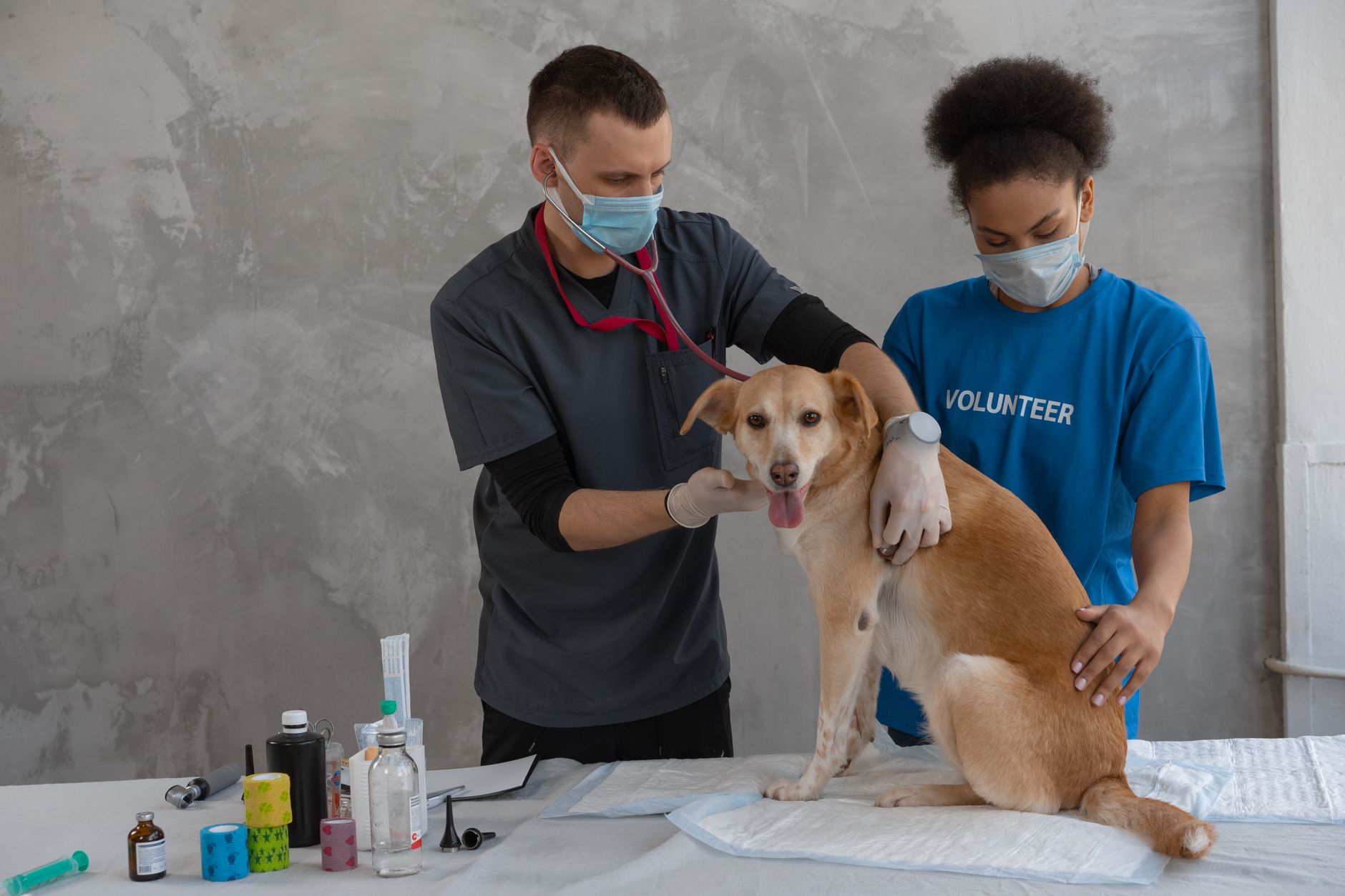 Photo by Mikhail Nilov
- Escalating symptoms: If your puppy’s itching, redness, or digestive problems get worse or don’t respond to your at-home efforts, call the vet. Persistent symptoms can affect growth, behavior, and happiness.
- Difficulty breathing or swelling around the face: These are urgent signs and need immediate care.
- Recurrent ear infections or wounds from scratching: These usually don’t clear up with standard cleaning and often point to underlying allergies or infections.
- Changes in mood or energy: If your once-playful puppy acts withdrawn or tired for more than a day or two, check in with your vet.
Puppies sometimes need a specialist’s insight for long-term solutions, from allergy testing to custom medications.
You might find helpful tips for identifying more serious health issues in resources focused on caring for newborn puppies, as early intervention leads to better outcomes.
Living with a puppy with allergies is a journey, but minor adjustments in your daily routine and knowing when to ask for help will keep your puppy thriving.
For deeper dives into new puppy health and behavior, look for more expert insights throughout our site as your next best step.

- 1% Hydrocortisone spray: For rapid relief from skin irritations caused by bites and other skin conditions.
- Itch relief for dogs and cats: Our hydrocortisone treatment reduces inflammation, swelling, itching, and redness to help stop the cycle of scratching and biting.
- Non-stinging formula: No fragrance or dyes helps relieve itching without causing further irritation to the skin.
- Hot spot spray for dogs, cats, and horses: Relieves symptoms of hot spots, bites, and skin conditions so your pet can heal quickly.
- Quality you can trust: At Pet MD our products are produced in the USA in facilities with strict inspection and quality controls.
Last update on 2026-10-08 / Affiliate links / Images from Amazon Product Advertising API
Puppy Allergies Conclusion
Puppy allergies are common, but they don’t have to control your life or your dog’s happiness.
Knowing the primary triggers—like pollen, certain foods, and fleas—puts you ahead when caring for your best friend.
When you act early and make smart changes at home, most dogs experience real relief.
Clear routines and up-to-date knowledge mean fewer symptoms and more joy for everyone in your house.
If you start to notice signs of itching, sneezing, or repeated stomach trouble, don’t wait—reach out to your vet for help.
The proper treatment and lifestyle adjustments can give your puppy a healthier, more comfortable life. Your quick response can make a big difference.
Living with puppy allergies is about building a safer, happier home together. For more helpful tips on creating the best environment for your dog, explore these proven puppy training tips.
Thank you for reading, and don’t hesitate to share your own experiences or questions in the comments.
Every puppy deserves comfort, and every owner deserves peace of mind.