7 Strange Things Puppies Do – That Are Totally Normal
Key Points
- Most weird puppy habits are totally normal and derive from curiosity, energy, and instinct. Identify zoomies, tail-chasing, and sock-stealing as rites of passage.
- Zoomies are random bursts of energy and are generally fun. Create a safe, non-slippery sanctuary and direct the racy energy into toys or brief playdates.
- Odd noises, like reverse sneezing or those surprised yelps, are usually harmless. Watch for excessive or distressing sounds and see a vet if they intensify.
- Strange eating and chewing are teething and sensory exploration. Provide secure chew toys, monitor their outdoor snacking, and avoid non-food items to prevent tummy upsets.
- Breed instinct helps determine quirks like nipping at your heels or sniffing out a trail. Study your pup’s breed profile, craft appropriate games, and customize training to direct instinctual urges.
- Track behaviors to catch deviations that indicate issues. Maintain a modest journal, use affirmative encouragement, and cultivate steady rituals to support composed, self-assured tendencies.
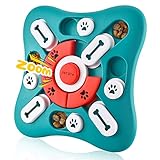
- 【PRODUCT SIZE】10 inch*10 inch*1.3 inch.
- 【3 WAYS TO PLAY, UPGRADE SLOW FEEDER】Our dog mental stimulation toys have a unique squeak button in the middle, which make it easier to attract the attention of dogs and cats. Three different difficulty designs and the 16-hole dog treat dispenser design maximize slow feeding time, even beyond 20 minutes.
- 【FUNNY STIMULATING TOYS】All kinds of dogs and cats love the puzzle game of Spin & Slide and the Seek & Hide with their smell sense and paw skills to find food. Combining circular orbit sliding game and linear orbit sliding game, smart dog and cat must move the slider correctly to get the food reward hidden in the maze.
- 【NON-REMOVABLE PARTS DOG PUZZLE】Our dog treat puzzle is made of non-toxic materials, very durable and suitable for pets to play for a long time. This dog toy has no removable parts because the design has built-in play parts that fold tightly and won’t fall off easily.
- 【ANTI-SLIP & EASY TO CLEAN】: The four corners of the bottom are equipped with four anti-skid pads, which can be well fixed during the dog’s slow food process; It is easy to clean, also dishwasher safe.
Last update on 2026-10-08 / Affiliate links / Images from Amazon Product Advertising API
Weird puppy behavior is just a natural aspect of early dog development and education.
Much like pups munch on grass, chase their tails, and do zoomies to expend energy and try motor control.
They chew and mouth to soothe teething at three to six months.
They bark, whine, and yawn to communicate stress or need. They sniff and lick to scent map and bond.
To fuel healthy development, the core text demystifies teething, age windows, and easy action steps for training and care.
Common Puppy Quirks

Puppies do strange things because they can’t help but investigate with their nose, mouths, and paws. Many puppy antics are typical indicators of development, napping needs, and high motivation.
Key examples:
- Zoomies, tail chasing, spinning in circles
- Reverse sneezing, startled yips, curious grumbles
- Eating dirt, grass, poop nuggets, or dirty socks
- Circling before sleep, butt scoots, head tilts
- Following you everywhere, burying toys, playful humping
These habits express curiosity, teething pain, stress, and energy fluctuations.
Familiarity with them will help you distinguish regular puppy romps from symptoms that require attention.
1. Sudden Bursts
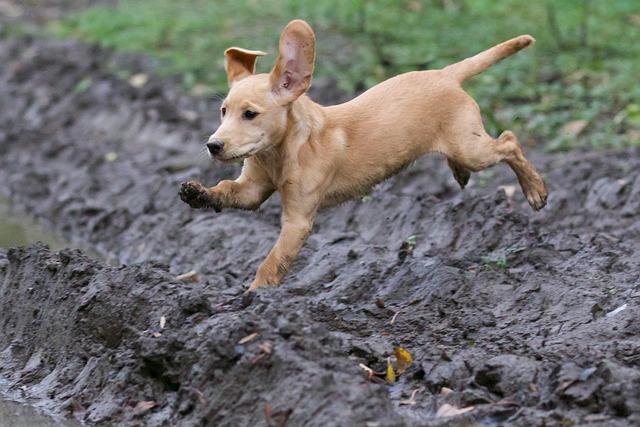
Zoomies are quick, maximum-effort activity bursts during which dogs tear around laps, make hairpin turns, and bounce off doorways just for the hell of it.
They tend to come after naps, crate time, baths, meals, or significant social moments because arousal builds and must be released.
This zoomie-type racing is standard dog stuff associated with nervous system reset and play running. Not ‘bad,’ but floors can be slick and corners sharp.
Free up your area — push back the chairs, clear the cables, and utilize rugs for traction. Should the spike require an outlet, attach a leash and switch to rapid fetch, gentle tug, or olfactory feeding with a nosed toy.
2. Odd Noises
Reverse sneezing is loud snorts or honks triggered by a reflex that brings air inward to clear a nasal tickle, dust, or a mild irritant.
It seems severe, but it usually runs its course quickly.
Puppies flail out, shocked barks, shrieks, or warbles when a vacuum roars or a collar tag jars. All these barks come from sensory cross-wiring during brain and ear development.
Monitor any noise that recurs frequently, combines with pain, or persists for a long time; this can indicate irritation, an infection, or airway issues.
3. Strange Eating
Several pups taste dirt, grass, or even poop nuggets. Others chew socks or pebbles because teething hurts, and the texture soothes their gums.
Grass eating is common.
There’s a theory that dogs eat grass to induce vomiting when they’re nauseous.
Non-food can make them vomit, block, or have diarrhea, so observe habits and poop.
Provide safe chews, frozen rubber toys, or braided fabric. If the pup scavenges stink or fabric, increase control with shut hampers and slow, frequent meals.
4. Body Language
Circling, butt dragging, and goofy wiggles are puppy quirks that come from instinct. Wild canids stomped and cleared ground, aligned scent and tension.
Tail wag direction, pawing, and the classic head tilt communicate to dogs and humans what’s up — interest, need, or doubt.
Learn posture for tight lips, pinned ears, or tucked tail that indicate stress.
A few gentle rubs on the chest or a slow shoulder massage can downshift arousal. Tired pups are nippy, hence the naps, because puppies require a ton of sleep and a consistent schedule.
5. Social Habits
Traipsing after you, room to room, lifting socks, or burying toys demonstrates bond and pack leanings, as well as resource games. Humping is an expression of energy arousal and can spike with stress, overexcitement, or lack of sleep.
T sniffing and set greeting steps collect scent information. It is customary social etiquette.
Watch puppy encounters with dogs and cats, keep experiences brief, and finish calmly.
Mark politely sits, soft-mouths, and short-sniffs with treats and praise.
If digging, attention yaps, or humping escalate, cut back stimulation, increase rest blocks, and provide prominent outlets like sniff walks or puzzle feeders.

- Assorted Puppy Toys: 9 pack luxury set for small dogs, including 3 cute plush squeaky toys, 3 rubber chew toys, 2 tough rope toys, 1 extra dog bag rolls. Designed specifically and great size for small dog
- Cute Fox Toy Designed for Puppies: Made of tough and soft plush, is suitable for tug of war with your pup. Built-in crinkle paper and squeakers can attract your pup and make it entertain itself. It will help your dog not feel alone even when you are not home
- Diverse Games for Entertainment: Our rope toys can use to tug and chew. The treat ball can improve pup’s intellect by rolling it to get treat. And the plush toys with inner squeakers attract your pup to play and reduce boredom
- Multiple Benefits for Puppy Growth: These toys are made from good-quality materials, ensuring durability and safety. They can offer various benifits for your puppy growth, such as teeth cleaning, reduce anxiety, and avoid destructive chewing
- Warm Tip: Our dog toys set can meet pup’s daily entertainment and interaction needs. Suitable for puppy and small dog, not recommended for aggressive chewers and large breeds
Last update on 2026-10-08 / Affiliate links / Images from Amazon Product Advertising API
Why Puppies Act Weird
A lot of strange puppy behavior arises from a combination of primal instinct, rapid brain development, and sensory overwhelm in a human environment.
What appears odd to us is often a natural learning phase. Monitor what you observe.
Maintain a straightforward chart of behaviors, triggers, and times to identify trends, exclude medical concerns, and provide concise observations to your veterinarian.
- Instinct echoes. Inherited hunting, guarding, and scent strategies run by default when cues fire.
- Neurodevelopment: Synapse growth and pruning cause hiccups in control and attention.
- Sensory load: New sounds, smells, and textures can flood young systems.
- Energy spikes: unmet exercise needs spill into “zoomies.”
- Environmental stressors: fireworks or alarms push fear responses.
- Pathology flags: Pica, compulsions, or circling that persists may signal medical or behavioral disorders.
Ancient Instincts
Digging holes, napping circles, and stashing items are all indicative of wild canid survival maneuvers. Digging chills a den, circling tamped brush, and caching secures grub.
Rolling in stinky stuff probably masks scent, a trick fellow canines share. These weird behaviors are often linked to their instincts.
Breeds make a difference. Terriers were bred for vermin and can quickly enter a digging or chasing frenzy due to their high prey drive.
Scent hounds trail and bay more, while herding breeds stalk and nip at motion. Understanding these typical dog behaviors can help you manage your pup’s behavior.
Scent marking, guarding toys, and even stealing and rolling in underwear relate to pack life and social odor exchange.
Other puppies stash pilfered objects to create a ‘secure’ lair imbued with their human’s aroma.
Satisfy these demands on your own terms.
Provide dig pits or snuffle mats, food puzzles, and a thick, warm bed. Rotate activity toys to harness the identical drives without destructive or aggressive behavior.
Brain Development
Puppy brains make and prune synapses at high speed, so control systems are delayed. Expect slips, such as accidents after a week of success, clumsy jumps, or missed cues.
Tail chasing, random barking, or sudden fear of noises can all be indicative of sensory disorientation.
If tail chasing seems stressed, persistent, or recent, consider C.D. Pica—eating non-food items—that can indicate CCD and require a vet approach.
Remain patient. Employ calm redirects, short training repetitions, and clear markers. Reward quiet, settle, and check-ins.
Regular play, scent games, and short skill sessions fill the brain in good ways and reduce boredom.
Sensory Exploration
Licking, sniffing, and chewing are data gathering. The nose reads pheromones, and the mouth explores texture and flavor.
New smells or textures can evoke strong responses, including fear. Fireworks, metal grates, and the scent of strong cleaners sting a puppy. Zoomies always come on the heels of overstimulation or excess energy burn-off.
Introduce pups gradually to textures, noise, and smells. Pair each with treats and breaks. Make your sessions short, different, and safe.
Keep them from getting hurt. Keep out of reach of toxins, trash, and feces. Coprophagia is rampant, with one in four dogs tasting it.
Circling that continues or gets worse requires a vet, as causes range from brain inflammation to fluid accumulation, stroke, or even tumors.

- Delicious Chicken Flavor – Teething puppy toys made with enticing flavor throughout
- Trusted Chew Toys with Heart & Purpose – Every one of these small dog chew toys features a unique shape, individual texture, and gotta-have-it flavor created with purpose and love to give your dog what they need, when they need it
- Designed in Materials for Every Stage – These puppy chew toys for teething start with the soft material for teething puppies, then graduate to the tougher material for puppies with adult teeth
- Teaches Healthy Chewing Habits – This puppy teething toy set includes two puppy chew toys and an edible chew treat perfect for every developmental phase
- Highly Digestible Chew Treat – Long-lasting bacon-flavored dog chew treat contains no artificial colors, flavors, or preservatives

Last update on 2026-10-08 / Affiliate links / Images from Amazon Product Advertising API
Breed-Specific Behaviors

Many of those weird dog behaviors suddenly make perfect sense when you connect them to ancestral functions and genetics.
For example, herding dogs and hunting breeds tend to retain their instincts, demonstrating typical dog behavior influenced by their training and home environment.
Breed characteristics serve as a good filter, but they don’t tell the whole story about your dog’s behavior.
Herding dogs often display behaviors like heel-nipping and tail-chasing when they experience boredom, while scent hounds engage in methodical pacing and door-dashing towards enticing odors.
Companion breeds, on the other hand, may show clingy behavior and vocal protests when feeling isolated, reflecting their need for affection.
Understanding your pup’s breed tendencies is crucial before issues arise.
By tailoring routines, toys, and training to meet their needs, you can help your dog thrive in a pet household while minimizing anxiety and promoting endearing dog behavior.
Herding Dogs
Anticipate heel-nips, tight circles around children or other animals, frozen “eye,” and high-speed chase streaks.
This is livestock control hardwired into the motor pattern library of border collies, Australian shepherds, and corgis. It may appear crude in an urban apartment, but it’s natural.
Please give it a task!
Structured impulse-control drills, such as down-stays at doorways, fetch-with-rules where the dog must sit before release, and herding-safe outlets like treibball or controlled flirt-pole sessions are effective. Short, high-focus tasks win over long, dull walks.
Don’t reward havoc. Rough play, running kids, and crazy tugging can trigger a surge of arousal and imprint nipping. Redirect to a cue chain: look, sit, release.
Then reward with a toss or treat. If tail-chasing or looping begins, pause the game, cue a settle, and transition to nose work.
Scent Hounds
These dogs are scent-first and everything else second. Anticipate compulsive sniff-lines across floors and parks, head snaps at micro-odors, and ‘deafness’ when the scent-circuit fires.
It’s not spite, it’s a brain designed to trace.
Activate the nose intentionally. Scatter feeds, hide-and-seek treats, DIY scent boxes, or beginner mantrailing provide legit sniffs.
Handle flight risk. Attach a reliable harness, a 5-10 meter line in open spaces, and close yard gaps. Train a whistle recall backed by good food, and realize scent can occasionally prevail.
Companion Breeds
Shih tzus, bulldogs, and lap-leaning breeds like to be touched nearly all the time. They follow you from room to room and sleep on your worn T-shirt. It’s the ‘be with people’ work revealing itself.
Give soft beds in the rooms you frequent, quick play bursts, and lots of quiet stroking. Be on the lookout for separation stress. Long solo stints can lead to shredding, whining, or house soiling.
Switch up chews, use food-stuffed toys, and teach phased departures.
Specific quirks, such as sock thieving, blanket kneading, and rolling in stinky stuff, are instinct echoes, not “bad behavior.
Decoding Puppy Signals

Puppies communicate through posture, movement, and subtle twitches that you can miss in a blink. To understand typical dog behavior, read the entire body as a whole, not one part in isolation.
Mood changes with context, past learning, and the room they are in, so scan head to tail and then check the scene: people, sounds, and space.
Body Language Basics
Ears, tail, eyes, mouth, spine, and paws act as one vibrating organism. Drooping ears and a relaxed jaw indicate calm. Pinned ears and a tight mouth suggest stress.
Tail talk needs nuance: a loose, mid-height wag often means happy, while a tucked tail shows worry or fear. A rapid, high wag can mean arousal, not happiness.
Eyes tell more: soft eyes look relaxed with slow blinks; hard eyes look still and fixed, often with a stiff face. A puppy that yawns in a stressful moment is not tired.
Yawning is a calming signal to oneself and others. Lip licks, head turns, and sniffing the ground can achieve this same de-escalation goal.
Decoding puppy signals, turning onto the back gets crossed messages. It could be confidence when the body is loose, and the tail wags freely, or submission when the body is rigid, and the head is averted.
In play, symmetrical role exchanges indicate equitable amusement.
If your pup is always the chaser or always chased, monitor for stress spikes and intervene to reset.
- Teething Stick for Puppies: Satisfies the need to chew during the teething phase
- Chew the Right Way: Helps redirect puppy energy away from furniture, shoes, and household treasures
- Icy Relief: Soak + freeze for a cool, soothing chew that helps comfort teething pups and refreshes them on hot days
- Colorful & Fun: Soft, stuffed polyester shell with playful fringe that entertains pups while they gnaw
- Play It Safe: No toy is indestructible. Do not leave toys with unsupervised pets. Discard and replace if damaged.
Last update on 2026-10-08 / Affiliate links / Images from Amazon Product Advertising API
Mood Cues: A Quick Checklist
- Relaxed: loose body, soft eyes, mid-tail gentle wag, open mouth.
- Playful: Quick bows, zigzag runs, bouncy steps, and brief pauses to recheck consent.
- Alert: still body, ears forward, closed mouth, slow tail movement at mid to high.
- Worried: Tucked tail, lowered body, ears back, lip lick, head turn.
- Stressed: Hard eyes, slow or frozen body, panting with no heat, pinned ears.
- Over-aroused: high, fast tail, springy jumps, grabby mouth, zooms with no checks.
- Irritated: stillness before action, whale eye (visible white), low growl, stiff wag.
- Tired or overloaded: sniff and avoid, slow blink, long yawn, seek distance.
Health Checks in Signals
Scratching, scooting, head shaking, or abrupt itch attacks can signal fleas, mites, dry skin, or dietary problems.
Chronic paw chewing or flank licking can indicate pain or stress. Limping, a hunched back or hesitation to jump are indicators of joint or belly pain.
Hard eyes and freezing by the food bowl can suggest resource guarding that requires safe training assistance.
Record when symptoms appear, their duration, and what was different in the environment. Tiny signals are tiny; capture them quickly.
Build a Family Signal Chart
Jot down a quick chart on a piece of paper or shared note. Include columns for date, location, people/dogs around, body parts observed (ears, eyes, tail, mouth, spine), the cue observed, and what occurred next.
Share photos or clips to get everyone on the same page.
In 2 to 4 weeks, these patterns will begin to jump off the chart and direct training objectives.
When Quirks Signal Trouble

While some puppy quirks are benign, a sudden change in habits can indicate a health concern. Baseline is key. Know your dog’s normal energy, appetite, sleep, and play style.
Then pay attention when a pattern is interrupted. Behavioral changes can be the first sign that something’s wrong.
Chronic vomiting or diarrhea is not a “phase.” If it goes longer than a day or includes blood, lethargy, or dehydration, consider it an emergency.
A loss of appetite for more than 24 hours is a red flag, particularly when combined with weight loss or drooling.
Aggression that seems to come out of nowhere can be connected to pain, fear, or neurological problems.
A peaceful puppy that turns into a snapper when you touch near their mouth or hips could be guarding a tender area.
Sleep disturbances such as nighttime pacing or restlessness can be an indication of pain, anxiety, or parasites.
Not all shifts are ominous; growth spurts and teething can lead to momentary blips, but abrupt or profound changes require a strategy.
Some “funny” moves are classic medical clues. T dragging more than once or twice a week can mean impacted anal glands, worms, or skin irritation.
Head shaking that keeps coming back often means an ear infection, mites, or trapped moisture, which is common after baths.
Excessive scratching, licking, or grooming can signal fleas, mange, allergies, or stress.
Watch for hot spots, hair loss, or a bad smell. Difficulty walking, limping, or yelping when rising can indicate orthopedic pain, hip dysplasia risk, or injury. Puppies hide pain; a slight limp may be a big deal.
Pursue vet care when odd behavior intensifies, becomes concerning, or interferes with everyday life—eating, sleeping, moving, learning, or toileting.
Go sooner if your pup is really young, hasn’t completed vaccines, or displays fever, pale gums, or collapse.
Come armed with data. A simple log helps your vet see patterns: onset, frequency, triggers such as food change, new park, storm, and response to rest or diet.
| Date/Time | Behavior | Duration/Frequency | Context/Trigger | Severity (1–5) | Notes/Actions |
|---|---|---|---|---|---|
| 12 May, 08:00 | Vomiting | 2 episodes | New treat | 3 | Settled with a crate cover |
| 13 May, Night | Restless pacing | 3 hours | Thunderstorm | 2 | Ear is dry with mild redness |
| 14 May, Afternoon | Butt scoot | 4 times | Post-poop | 2 | Scheduled vet for anal glands check |
| 15 May, Evening | Head shake | More than 10 times | After bath | 3 | Ear dry with mild redness |
So monitor what is normal for your animal. That is how you recognize what is amiss and intervene early, with patience and compassion.
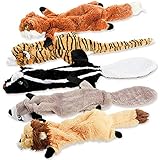
- 🐶 Plush Dog Squeaky Toys: This assortment value bundle plush pet toy contains 5 pack big woodland animals: Raccoon Squirrel Tiger Fox and Lion. The funny and enrichment toys help dogs to exercise more and improve their health. A good dog products for boredom and stimulating. They can do chewing and teething, tug of war games. Quality interactive playing time together will also increase their bond with owner. It’s the best gift supplies for dogs Birthday Christmas Halloween or any holiday
- 🎁 No Stuffing Plush Toys: 100% stuffingless squeaky toys and no any hidden dangerous stuffing, it’s very safe for your puppies to play, no worry about swallow or choke on. Five different sized bulk toys make it suitable for small, medium and large breeds chewers. It will be more durable because most dogs are less tempted to kill an unstuffed toy. No more cleaning up bits of fluff from all over the house
- 🐶 With Two Squeaky: These stuffless squeak doggie toys set have squeakers in both head and tail which will attract dog’s attention. When you’re away from home, squeaky toys will help release your pet’s anxiety and pressure, keep them busy, cleaning their teeth, and reduce their destructive behavior. No need to worry about your dog’s alone at home, or pillows, sofas, shoes, etc getting destroyed. With toys dogs won’t feel bored or chew furniture up, their excess energy will be released
- 🎁 Good Quality: Made of non-toxic premium quality plush fabric, incredibly safe, soft and durable. Floppy lightweight bodies, length of fox and lion is 17.72inch, squirrel and raccoon is 21.26inch, tiger is 19.69inch, easy for small, medium and large dogs to carry, toss, and roll around with. Intensive fabric and better stitching make these squeeky toys more durable for dogs
- 🐶 WARM TIPS FOR DOG TOY SET: Please kindly note these toys are not for extra aggressive chewers, such as hound. We offer 30 Days Replacement and Refund Guarantee for these stuffless dog toys. There is anything wrong with it, just click “Contact Us” and we will be happy to assist you with replacement or refund. We suggest watching closely when you give these toys to your Indestructible Tough Chewer to watch dogs pull the squeakers out due to aggressive chewing
Last update on 2026-10-08 / Affiliate links / Images from Amazon Product Advertising API
Nurturing Good Habits
Taming a puppy’s weirdness into good habits begins with understanding instinct.
Many “strange” acts—chewing socks, circling before sleep, eating grass—have roots in everyday canine needs: teething relief, comfort-seeking, gut curiosity, or stress release.
Map the behavior to the need first. That lens directs what to reward, what to overlook, and what to redirect.
It demystifies quirks like their bathroom alignment: a two-year study found that dogs often favor a north–south axis, probably linked to magnetoreception. Understanding these baselines ensures training remains equitable and uniform.
Develop a reliable daily rhythm.
Feed at set times, walk on a routine, and provide consistent potty breaks every 2 to 4 hours for small pups and after naps, play, or eats.
Tag the precise toilet action with a brief cue (“go now”) and reinforce within 2 seconds with a quiet compliment and a tiny incentive.
Keep rewards high-value but small, such as pea-sized pieces of cooked chicken or commercial training treats, so you can do multiple repetitions without overfeeding.
Use a simple reinforcement plan.
Capture good choices, like settling on a mat or chewing a legal toy, pay often at first, then fade treats to praise and play while keeping surprise bonuses a few times a week.
Redirect strange habits with specific alternatives. If a puppy raids the dirty underwear, put the laundry away and provide a frozen rubber chew or tug toy—reward when their jaws meet the appropriate object.
For digging, create a ‘dig zone’ with sand or loose soil, bury safe things 5 to 10 centimeters deep, and redirect them there at the first signs, such as sniffing or pawing.
Then reward the initial scratch. If grass-eating pops up, replace it with a scent game by sprinkling kibble in short grass or a five-minute indoor ‘find it’ with cardboard boxes.
For humping, break it with a neutral “uh-uh.” Request a sit, then initiate a short fetch or sniff walk and reward the transition.
Be on your guard against boredom.
Puppies need short, frequent work: three to five mini sessions per day, three to seven minutes each, with simple cues and nose work.
Strive for age-appropriate activities, such as multiple mini walks and soft play, rather than a single big push.
Provide a draft-free, quiet, cozy, safe sleep spot to soothe frantic digging. Read their body language: soft eyes, loose jaw, and wag at mid-height signal ease.
Freezing, tucked tail, repeated yawns, lip licks, or whale eye warn you to slow down, add distance, or lighten criteria.
Advancement requires time. Employ patience, kind discipline, and consistent love to cultivate a bold, balanced pup.
Our Conclusion
Weird stuff puppies do. That’s half the fun. Nose in shoes. Puppy zoomies at dusk. Side hops at a leaf.
Every action screams out a necessity. Food. Sleep. Play. Calm. Space.
To establish trust, maintain transparent signals. Brief prompts. Odd puppy behaviors require reasonable regulations. Fast kudos! Trace designs.
For instance, tugging before bed could spike zoomies. Exchange for a snuffle mat or a quick sniff walk. Some shy pups will freeze at doors. Go slow, use high-value treats and a quiet voice.
To detect red flags, observe watches. Sudden pain yelp. Hard stare with stiff body—no appetite for food. Visit the vet. For rough material, summon a trainer.
Ready to improve your connection! Give one new habit a shot today and share what you learn.

- Heartbeat Toy for Medium Breeds: Plush comfort toy (12 x 8 in) sized for dogs 25-70 lbs; includes beating heart, 1 disposable heat pack, and 2 AAA batteries; also available in Junior for small breeds and Large for 70+ lb breeds
- Battery-Powered Heartbeat: Provides a rhythmic pulsing sensation designed to comfort puppies during rest, crate time, or overnight use; press button and place heart in belly pouch; batteries included; not a chew toy, remove heart before unsupervised play
- Calming Comfort for New Puppies: Designed to help your puppy settle during first nights home, crate training, and bedtime; rhythmic heartbeat and warmth create a soothing littermate-like presence; many owners use during travel, storms, and separation
- Heat Pack and Easy Care: Disposable heat pack inserts into belly pouch for up to 24 hours of warmth (single-use; replacement packs sold separately in 6-pack and 12-pack); plush toy is machine washable; remove heart unit and heat pack before washing
- Trusted by Over 1 Million Dog Owners: The original heartbeat comfort toy designed by SmartPetLove; used by breeders, shelters, and veterinary professionals; available in three sizes to fit every breed; batteries included and ready to use from day one
Last update on 2026-10-08 / Affiliate links / Images from Amazon Product Advertising API
Frequently Asked Questions
Why do puppies do zoomies?
Zoomies dissipate accumulated energy and tension in dogs. They’re typical dog behaviors that often occur after naps, baths, or poop time. Give your pup some space and keep slippery floors slip-free for safety.
Is puppy biting normal or a problem?
Puppies often exhibit light biting as a regular part of teething and play. To manage this, redirect them to chew toys. If biting becomes frequent or complex, especially towards faces or hands, consult a pet care trainer for guidance.
Why does my puppy eat grass or dirt?
Most puppies exhibit typical dog behavior by mouthing things. It’s normal for young dogs to nibble on the odd blade of grass. However, obsessive eating can indicate that your pup is bored, missing something from his diet, or has an upset stomach, so provide enrichment and a nutritious diet.
Do some breeds act weirder than others?
Yes. Herding breeds may nip or chase, while hounds can whine or exhibit their instinct to chase. Guardians can guard places, showcasing typical dog behavior. Please provide them with breed-appropriate exercise and training to safely guide their weird behaviors.
How can I tell if a quirky behavior is a red flag?
Look out for pain, sudden changes, or aggressive behavior in your dog. Compulsive repetition, loss of appetite, or unusual reactions can indicate anxiety. If it disrupts sleep or eating, call your vet.
Why does my puppy stare, tilt its head, or paw at me?
These are communication cues your pup uses to express needs, such as affection or clarity. Praise gently for good behaviors, as this helps reinforce typical dog behavior. TIP 1 – Consistent cues are essential; if signals become too frequent, step up training and mental stimulation.
What builds good habits fast?
Maintain a basic schedule for your pup and employ brief, daily training sessions. Praise appropriate behaviors promptly and provide comfy dog beds for rest. Avoid mishaps with supervision and baby gates, as consistency builds lifelong manners!