

Signs and Causes of Dog Constipation
Constipation is a common problem in dogs, and it’s usually easy to treat with diet and exercise.
However, if your dog’s constipation persists or worsens, it’s time to see a vet.
Your veterinarian will perform a thorough exam and take a detailed medical history to determine the cause of your dog’s constipation.
This can include a rectal exam, abdominal x-rays, and blood tests to check for dehydration, infection or other underlying causes of the problem.
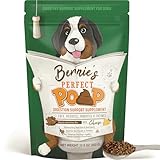
- HEALTH STARTS IN THE GUT: High Fiber Grass Bits naturally revitalize your pet’s digestive tract to relieve digestive issues including diarrhea, constipation, upset stomach, stalled digestion, bloating and food intolerance; Reduces gas, stool odor, bad breath and firms up poop
- HELP YOUR DOG FEEL THEIR BEST: Bolster your dog’s immune system and overall health; Increase absorption of nutrients and vitamins to help tackle common pet concerns such as allergies, skin, coat, itching, licking, infection, low energy, weight loss, mood, sensitive stomach, and more
- COMPLETE 4 IN 1 FORMULA: Combines premium Fibers, Prebiotics, Probiotics and Enzymes to supercharge your pet’s digestive system. These four building blocks unite to form a high fiber solution that heals and maintains your dog’s gut
- 4 IN 1 FORMULA SAVES TIME AND MONEY: Stop buying separate supplements; save time and money by buying one solution that combines them all; Solid grass bits mix in well with your dog’s food or can be served as treat or topper; No more powders stuck at the bottom of the bowl or floating in the air like other brands; Serving size varies based on weight – One bag will last a 50 lb dog a little over a month
- NATURAL PREMIUM INGREDIENTS: Natural, Grain Free, Gluten Free, Non-GMO and Made in USA; Miscanthus Grass, Pumpkin Powder and Flax Seed Fibers provide the perfect poop; Inulin & Xylooigosaccharides Prebiotics; Bacillus Subtilis and Bacillus Coagulans probiotics support a healthy digestive tract and immune system; Blend of digestive Enzymes break down food and increase nutrient absorption
Last update on 2026-10-10 / Affiliate links / Images from Amazon Product Advertising API
Dog Constipation Causes
Dogs need to poop frequently so that constipation can be a problem. Knowing the signs and causes of constipation is important so you can take your dog to the vet as soon as possible.
Your dog’s gastrointestinal (GI) tract comprises the stomach, small, and large intestine. Each part of the digestive tract breaks down food and absorbs electrolytes, water, and other chemicals.
The colon, the largest intestine, passes feces and regulates intestinal motility.
The body’s natural lubrication helps the feces move along the GI tract, but certain factors can make it difficult for your dog to pass stool.
These include a lack of exercise, stress, and certain medications or non-food items your dog may have ingested.
Symptoms of constipation include infrequent bowel movements and straining when trying to pass stool.
In extreme cases, your dog’s stools might look like blood or have mucus.
A physical examination can help your veterinarian identify the cause of your dog’s constipation.
He or she will evaluate the consistency of your dog’s stools and determine whether there are any abnormalities, such as rectal strictures, tumors, or foreign bodies.
Abdominal radiographs and blood tests can help veterinarians detect underlying conditions like cancer or infection.
In most cases of chronic constipation, the underlying issue is a problem within the colon.
This is known as intraluminal constipation and can be caused by various factors, including a slowed transit time, low fluid intake, and other problems.
Treatment for chronic constipation typically involves dietary changes, increased fluid intake, and medical interventions.
A high-fiber diet can help normalize gastrointestinal motility and soften the feces. Other dietary recommendations include canned pumpkin, wheat bran, and ginger.
Your vet will also need to know about any other symptoms your dog is having, such as vomiting or lethargy, or if they have any previous conditions that might be contributing to their constipation.
If your dog has a history of severe and/or chronic constipation, this could indicate a condition called megacolon.
Megacolon is a serious condition when the muscle tissue in your dog’s colon becomes too thick and stiff to allow feces to pass normally.
It’s a rare but very serious disorder that usually results from chronic, untreated forms of constipation. It can lead to a lifelong problem with constipation and other related issues.
Dog Constipation Symptoms
Dog constipation can be a serious problem for your four-legged friend and family. It can lead to severe health problems and even death if left untreated.
While most cases of constipation in dogs improve independently with dietary changes and exercise, it’s important to take your dog to the vet for help when symptoms persist or worsen.
The vet will examine your dog, perform a rectal exam and abdominal palpation (the vet feels the abdomen to check for any swelling), and may recommend X-rays of your dog’s abdomen.
Your vet might also recommend blood work, urinalysis, a barium enema, colonoscopy, ultrasound, or endoscopy to determine the cause of your dog’s constipation.
If your dog’s constipation is severe, they might also prescribe medications to activate normal intestinal function or manually remove impacted feces.
Typical treatment for mild constipation involves changing your dog’s diet, giving them plenty of water to drink, and encouraging a bowel movement with an enema.
Be sure to do this only at the vet’s office; doing it yourself could cause your dog to become ill or worsen its condition.
Other common causes of dog constipation include a lack of exercise, being overweight, and the presence of a tumor or other blockage in the digestive tract.
These can result in a dry, hard stool that’s difficult to pass.
Senior dogs seem to be more prone to constipation than younger dogs.
Being sedentary tends to slow down the transit time of fecal matter in the intestine, and stress or psychological issues can also slow it down.
In extreme cases, dog constipation can develop into a megacolon.
This condition, which occurs when the large intestine is stretched out and damaged by chronic constipation, can be dangerous and require surgery.
If you have any questions about your dog’s constipation or if it’s been more than two days since its last bowel movement, be sure to take it to the vet immediately.
Your dog may need a sedative to calm them down and allow the vet to examine them thoroughly.
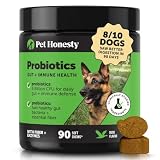
- Less Guesswork, More Evidence: If you’ve ever texted a photo of your dog’s poop to someone, this is for you. Gut health for dogs starts with inulin, a prebiotic for dogs that feeds beneficial bacteria, while enzymes help support firm stools and gas relief for dogs with a sensitive stomach. In an 8 week study, 96 percent saw an improvement in overall digestive health. Based on a 2026 in home feeding study. Owner reported results, individual results may vary.
- For The Label Readers: You’ve read every label, so you’ll notice this one. Dog probiotics for gut health with 8 probiotic strains, 6 Billion CFU, 80 mg of inulin prebiotic, and a 7 enzyme digestive complex per 2 soft chews, including papain from papaya and bromelain from pineapple stem. They help balance the microbiome to support nutrient absorption and energy levels. They are also probiotics for itchy skin and itchy ears, and support immune health and a healthy inflammatory response.
- Showing Up Every Day: You’d never skip your own daily supplement. Pre and probiotics for dogs help support beneficial bacteria and microflora in the gut every day, including dogs with food related tummy troubles. 85 percent of customers saw an improvement in their dog’s digestive health within three months, with results in as little as one month. Based on a survey of 248 customers. Individual results may vary.
- They Think It’s A Treat: Soft probiotic chews for dogs in a duck flavor that make the daily routine feel like a reward. You know it’s more. 9 out of 10 dogs love the taste. Based on a 3rd party feeding study. Individual results may vary. Give 1 chew per 25 lbs of body weight, just before mealtime, at home or while traveling. Check with your veterinarian before giving to puppies under 6 months.
- The Honest Difference: Vet recommended probiotics made with clean, science backed ingredients. What we leave out says it all: formulated without Artificial Flavors, Preservatives, Corn, Wheat, Soy, Cellulose or Palm Oil. Made for pet parents who love the hardest, managing a dog’s recurring digestive sensitivity, so you can go back to just having a dog. Proudly supporting pets in need nationwide, using recycled plastic in our packaging, and manufactured in the USA by an NASC member company.
Last update on 2026-10-10 / Affiliate links / Images from Amazon Product Advertising API
Dog Constipation Treatment
Dog constipation can be painful, causing your pet to become dehydrated and suffer from other health issues.
Fortunately, most cases of dog constipation resolve with mild treatments and medications.
Before beginning treatment, your vet will do a physical examination and get a full medical history to determine the underlying cause of the problem.
This will allow your veterinarian to identify potential causes of constipation, such as a tumor in the rectum or on the anus or foreign objects that may be stuck in the digestive tract.
Depending on the underlying cause, your vet will recommend a course of treatment to relieve the symptoms and treat the underlying problem.
The most effective treatment often involves adding more liquids and dietary fiber to your pet’s diet.
Sometimes, your vet will prescribe medication to promote normal bowel function or prevent the body from producing certain enzymes that can block your dog’s peristaltic waves.
These are the muscles that move feces through the GI tract.
Other treatments include laxative suppositories, enemas, and manual removal of impacted feces.
These can help resolve mild cases of dog constipation but may not work for more severe cases.
Some dogs can also benefit from extra exercise, which will help encourage movement within the gastrointestinal (GI) tract.
Short walks can be especially beneficial in promoting normal stool movements, so include them in your dog’s routine.
Your vet may also recommend hydration and electrolyte supplements to boost your dog’s fluids. This is particularly important if your dog’s constipation is caused by dehydration.
If you notice that your dog has matted feces around their anus, trim them carefully with scissors to avoid irritation and discomfort.
This will also aid in removing any foreign objects that have become lodged there.
Many human medications are toxic to dogs, so never give your pet these without consulting a veterinarian first.
Some of these can even be fatal, so always consult your vet to ensure the medications are safe for your dog.
Dog Constipation Prevention
You can do several things to prevent your dog from developing constipation. These include maintaining a healthy diet, plenty of water, and regular vet visits.
The first step in preventing constipation is ensuring your dog gets enough dietary fiber.
This is important for the normal movement of fecal material, which is moved through the digestive system in a process called “peristaltic waves.”
If your dog is not receiving sufficient dietary fiber, they will most likely become constipated.
It would be best to watch out for signs of dehydration, such as your dog not urinating or peeing as much as usual.
Your dog may be dehydrated due to certain diseases, such as diabetes or Cushing’s, which can lead to constipation.
If your dog eats too many foods that contain high levels of sugar or fat, it can develop constipation.

- DIGESTIVE SUPPORT – Proprietary enzyme blend plus added fiber for dogs helps support normal bowel function.
- DAILY USE – May be taken on a regular basis for long-term support or occasionally as needed.
- EASY TO ADMINISTER – Give 1 – 2 Soft Chews per 20 lbs. of weight daily. For long-term use give 1 Soft Chew per 20 lbs. of weight daily.
- MADE IN THE USA and VETERINARIAN FORMULATED – All NaturVet products are veterinarian formulated and manufactured in the USA in an FDA audited, cGMP compliant facility.
- SATISFACTION GUARANTEED – All NaturVet products come with a 100% satisfaction guarantee so if you aren’t satisfied for any reason you can get a full refund!
Last update on 2026-10-09 / Affiliate links / Images from Amazon Product Advertising API
In addition, your dog’s diet should include a variety of fruits and vegetables to ensure it gets enough vitamins and nutrients.
Another way to help your dog with constipation is to offer them a probiotic. A probiotic is a type of bacteria that helps keep the gut healthy.
A probiotic can be found in capsule form or liquid form.
These supplements are available in a wide range of brands, and you should check with your veterinarian to find one that is safe for your pet.
If you’re giving your dog a probiotic, only give them a small dose.
Keeping your dog active is also important in the prevention of constipation.
You can also try some at-home remedies for your dog’s bowel movements, including feeding them canned pumpkin or plain, unflavored oatmeal, which is high in fiber.
In addition, apple cider vinegar is another natural home remedy for constipation in dogs.
However, you should only give your dog a small amount of apple cider vinegar, as it can make them sick if they ingest too much.
Aside from these at-home treatments, if your dog is experiencing severe constipation, it’s important to take it to the vet immediately.
This is because more serious cases of constipation can be caused by a medical condition requiring surgery.


