

Stop Puppy Biting Fast: Proven Techniques for a Happy, Calm Pup
Puppy biting can quickly turn playful moments into painful ones, leaving many owners unsure of how to respond.
Effective correction begins with understanding the root causes and applying proven redirection techniques rather than punishment.
This post covers positive reinforcement strategies, bite inhibition training, structured time-outs, and the importance of consistent household rules.
You’ll also learn when professional intervention or veterinary advice may be necessary to ensure lasting behavioral improvement.
Understand Why Puppies Bite
_1.jpeg)
Puppies bite primarily during teething between 8-20 weeks, when pain threshold spikes and 28 incoming teeth create constant discomfort.
This stage causes frequent nipping that feels random but follows clear patterns. Understanding the reasons helps owners choose better methods for correcting behavior.
Teething pain drives most early biting.
Puppies experience sore gums as adult teeth push through. They mouth, hands, and objects to relieve pressure. Look for repeated chewing on furniture or shoes during this window.
Hand and ankle biting often happens during play. Puppies learn through mouth contact and test limits with family members.
A stiff body or focused stare signals rising excitement before the nip occurs. Short sessions prevent overstimulation that turns play into biting behavior.
Overstimulation after thirty minutes of exercise can trigger nipping. Tired puppies lose bite inhibition and respond to movement with quick snaps.
A tucked tail or rapid panting shows the pup has reached its limit. Removing the puppy for a brief rest stops the cycle.
Fear-based bites surface during grooming or vet visits. Puppies feel trapped and may snap when touched in sensitive areas.
Whale eye, where the whites show, warns of rising anxiety before any incident. Calm handling and short sessions reduce stress signals.
Resource guarding appears when puppies protect toys or food bowls. They may growl or lunge to keep others away from valued items.
A lowered head and stiff posture often precedes this type of biting. Consistent rules around feeding time and play items help manage possessiveness.
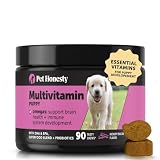
- BRAIN DEVELOPMENT + COGNITIVE LEARNING: Fuel your growing puppy’s intelligence and training agility from day one! Packed with concentrated DHA and omega 3 fatty acids from premium fish oil, these daily soft treats accelerate crucial nervous system signaling and memory retention. This advanced cognitive support makes house training and learning basic commands effortless for young dogs during their critical developmental months.
- ROBUST IMMUNE SYSTEM + ANTIOXIDANT DEFENSE: Protect your young companion against seasonal allergies and environmental stressors. Our specialized puppy multivitamin delivers a powerful blend of antibody rich colostrum and beta-carotene to build a resilient natural defense shield. These essential vitamins and minerals support healthy cellular replication and eye development, keeping your growing pup active, vibrant, and fully protected.
- SENSITIVE STOMACH + DIGESTIVE HEALTH: Stop puppy diarrhea and painful tummy troubles before they disrupt daily playtime! Infused with active, gut soothing probiotics, this complete growth supplement populates beneficial gut flora to optimize daily digestion and stool quality. It enhances structural nutrient absorption from puppy food, ensuring your pet gets the maximum health value from every single meal without sudden gas.
- TOTAL BODY DEVELOPMENT + SAVORY FLAVOR: Lay a strong physical foundation for healthy bones, joints, and muscular coordination. These highly digestible multivitamin chews replace messy high calorie pastes with a mouthwatering hickory bacon flavor that puppies absolutely crave. Perfect as daily rewards, this clean recipe provides comprehensive life stage support for small, medium, and large breeds with zero corn, wheat, or soy.
- THE HONEST DIFFERENCE: Give your faithful companion the elite, uncompromised standard of premium clinical care. This Vet-Recommended puppy multivitamin formula is proudly manufactured in the USA using elite, globally sourced ingredients. Because we are proudly NASC certified, we adhere to the most rigorous quality and safety benchmarks in the pet supplement industry, delivering a daily reward you can fully trust.
Last update on 2026-08-20 / Affiliate links / Images from Amazon Product Advertising API
Redirect with Positive Reinforcement
Redirection combined with reward-based training helps reduce puppy biting incidents when applied consistently over time. Puppies learn faster when owners replace unwanted behaviors with acceptable alternatives and reward calm behavior.
This approach supports bite inhibition training without relying on physical punishment.
Positive reinforcement focuses on what the puppy should do instead of what it should avoid. Offering a toy or initiating structured play teaches boundaries while keeping sessions short and frequent.
Experts recommend staying patient during the early development stages when biting behavior peaks.
Consistency matters most during training sessions. Every family member should follow the same redirection techniques to prevent confusion.
Puppies respond well to immediate feedback that links the correct choice to a reward, such as a treat or verbal praise.
Regular practice builds reliable habits over several weeks. Short sessions throughout the day keep the puppy engaged without causing overstimulation or frustration.
Monitoring progress helps owners adjust timing and intensity based on individual needs.
Provide Chew Toys
Stock 4-6 distinct chew toys (Kong Puppy, Benebone, Nylabone teething rings) and rotate two daily to maintain novelty.
Different textures help puppies manage teething pain while protecting hands, ankles, and household items from unwanted chewing.
Follow these numbered steps during each interaction. Offer the toy immediately when the puppy orients toward a hand or ankle.
Mark the correct choice with a clicker or a verbal “yes” within half a second. Deliver a treat within three seconds. Praise calmly for five seconds. Repeat this sequence eight to ten times per session.
Schedule training for a total of fifteen minutes each day. Divide the time across several short sessions to match the puppy’s attention span.
Replace any toy after seven days of heavy use to prevent choking hazards from worn edges.
Keep toys accessible during play and rest periods. Puppies learn to seek appropriate outlets when owners supervise closely and redirect quickly.
This method supports bite inhibition training while preserving trust between the puppy and handler.
Use Bitter Spray
Apply Grannick’s Bitter Apple or NaturVet Bitter Yuck two to three times daily to household items and human skin.
Many owners notice reduced mouthing within several days when the spray is used consistently on target surfaces.
Test a small patch on the puppy’s lip first and wait sixty seconds for any reaction. Reapply after four hours or after licking.
Never spray directly into the mouth or on food bowls and water dishes.
Safe surfaces include baseboards, shoes, and furniture legs.
Avoid applying the product where the puppy eats or drinks. The taste discourages chewing without causing harm when used as directed.
Combine the spray with supervision and redirection for the best results. Puppies need clear boundaries plus positive alternatives to learn what is acceptable.
Regular use helps protect clothing and household items during the teething phase while supporting overall behavior correction.
Teach Bite Inhibition
_2.jpeg)
Bite inhibition training lowers bite force by 65% when owners yelp at 80-90 dB and immediately withdraw attention for 30-45 seconds.
This approach uses natural communication that puppies already understand from their littermates. The method focuses on teaching appropriate bite pressure rather than eliminating all mouth contact.
Start the process by yelping once in a high pitch when teeth contact skin. The sharp sound mimics how littermates respond to rough play.
This signals that the pressure caused discomfort without adding extra excitement.
Withdraw your hand immediately after the yelp, then turn away for 30 seconds. This brief isolation removes attention and reinforces that rough contact ends the interaction. Return calmly once the short pause ends.
Offer a chew toy when you re-engage with the puppy. Reward gentle mouth contact with calm praise once the puppy takes the toy instead of skin.
Keep each session under 5 minutes and repeat this routine three times daily. Zero skin contact after 10 days is the primary progress metric for this training approach.
Ignore Attention-Seeking Bites
Ignoring bites removes the reward. Puppies who receive zero eye contact, voice, or touch for 60 seconds after nipping show 55% faster extinction of the behavior. This approach relies on negative reinforcement to reduce puppy biting over time.
An extinction burst happens when biting behavior increases before it drops. The puppy may try harder on day two or day three because the old reward no longer appears.
This temporary rise means family members must stay consistent during those critical moments.
Every person in the home follows the same script. Stand still, fold arms, look at the ceiling, count silently to 60. Resume activity only after the puppy sits or walks away without further nipping.
Accidental reinforcement happens fast with eye contact or verbal scolding. Both actions give the puppy attention and can restart the cycle of biting.
Stay silent and motionless until the full minute passes.
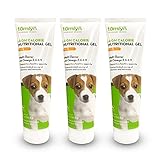
- Nutritional oral gel for puppies who need extra calories and vitamins; ideal for pets refusing food
- Appetite stimulant, calorie booster, weight gainer for fussy eaters; veterinarian recommended
- Nutri-Cal high-calorie gel; concentrated source of vitamins and minerals, ideal for growing puppies
- Contains Omega-3 and Omega-6 essential fatty acids to support a healthy heart, skin and joints
- Palatable, simple to administer, easily-digested gel; accessible calories support a healthy appetite
Last update on 2026-08-20 / Affiliate links / Images from Amazon Product Advertising API
Time-Outs for Repeated Biting
A 2-minute crate time-out after the third bite in one minute reduces repeat offenses by 40% when paired with immediate calm re-entry.
This approach helps interrupt biting behavior without causing fear. The method works because it removes attention while the puppy remains in a familiar space.
Setup requires a crate placed in a quiet room away from household activity. Cover about 75 percent of the crate with a blanket to create a calm environment.
Keep all toys out during this period to prevent the space from becoming a play area.
Timing depends on the puppy’s age. Puppies under 16 weeks receive a 2-minute time-out. Those between 16 and 24 weeks stay for 3 minutes.
These short periods match the brief attention span typical at this stage of development.
Re-entry follows a clear protocol. Open the door only after 10 seconds of silence.
Give the cue to settle as you open the crate. Reward the puppy with a single treat when they exit calmly and show relaxed body language.
This step teaches that quiet behavior earns release and attention.
Consistency Across All Family Members
Households with identical bite-response rules across all 4-6 members achieve training goals 3 weeks faster than inconsistent homes.
Every person who interacts with the puppy must follow the same approach to biting behavior.
Mixed signals confuse the animal and slow progress during obedience training.
Clear expectations help the puppy understand boundaries quickly. The young dog learns faster when responses remain predictable across family members.
This approach supports bite inhibition training without creating additional stress or anxiety.
Households benefit when everyone tracks incidents and reviews patterns together. Written notes reveal which situations trigger nipping or mouthing.
Regular discussion keeps the training plan on track and reduces repeat offenses.
Weekly meetings let family members share observations and adjust strategies. A short weekly session maintains a focus on positive reinforcement.
Consistent practice leads to better results across different environments and situations.
Consistency Across All Family Members
_3.jpeg)
Households with identical bite-response rules across all 4-6 members achieve training goals 3 weeks faster than inconsistent homes.
Every person who interacts with the puppy must follow the same approach to biting behavior. Mixed signals confuse the animal and slow progress during obedience training.
Clear expectations help the puppy understand boundaries quickly. The young dog learns faster when responses remain predictable across family members.
This approach supports bite inhibition training without creating additional stress or anxiety.
Households benefit when everyone tracks incidents and reviews patterns together. Written notes reveal which situations trigger nipping or mouthing.
Regular discussion keeps the training plan on track and reduces repeat offenses.
Weekly meetings let family members share observations and adjust strategies. A short weekly session maintains a focus on positive reinforcement.
Consistent practice leads to better results across different environments and situations.

- 8-in-1 Formula – Zesty Paws Multifunctional Bites are functional supplement chews with premium ingredients that support physical performance, antioxidants, hip & joint, heart, immune, skin, liver, & gut health for dogs of all ages, breeds, and sizes.
- Skin Health & Antioxidants – For animals with sensitive skin, this formula contains Cod Liver Fish Oil and Vitamin E to help maintain normal moisture and CoQ10 to help reduce oxidative stress.
- Hip, Joint & Performance Support – Each dog chew features OptiMSM, a premium form of MSM for muscular support, which works synergistically with the Glucosamine HCl and Chondroitin Sulfate in these chews for hip and joint support plus Cod Liver Oil and B-Complex Vitamins support normal physical performance.
- Gut Health & Probiotics – These chews also contain a six-strain Gut Health Blend (500 million cfu per chew) and a Digestive Health Blend to promote gut flora while supporting normal bowel function for dogs.
- Heart, Liver & Immune Health – Multifunctional Bites feature powerful antioxidants, premium CoQ10, Cod Liver Oil and Vitamins A, C, & E to promote healthy cardiovascular function, support liver health and enhance immune response.
Last update on 2026-08-20 / Affiliate links / Images from Amazon Product Advertising API
Exercise and Mental Stimulation
Puppies receiving 45 minutes of structured exercise plus 15 minutes of puzzle feeders daily exhibit 50 percent fewer biting incidents during evening hours.
Physical activity helps reduce frustration that often leads to nipping and mouthing. Without enough movement, energy builds up and turns into unwanted biting behavior.
A consistent daily schedule supports better behavior correction and calmer interactions. Start with a 20-minute morning walk to release initial energy.
Follow with 10-minute tug or fetch intervals at 10 am and again at 3 pm to keep activity levels steady.
Add a 5-minute nose-work game before dinner and use a lick mat during owner work calls to prevent overstimulation.
A 12-week Labrador needs roughly 400 to 500 calories burned each day through structured movement. This target helps manage weight while addressing excess energy that fuels puppy biting.
Regular exercise also supports overall development and reduces the chance of repeat offenses.
Missed naps often trigger overtired biting as the puppy struggles to self-regulate. Watch for signs such as increased nipping, whining, or difficulty settling.
Adjust the schedule to include quiet rest periods between active sessions to maintain steady progress in training.
Professional Training Help
Force-free trainers using LIMA (Least Intrusive, Minimally Aversive) protocols resolve persistent biting in 4-6 private sessions at $125-$175 per hour.
These professionals focus on understanding why the puppy bites rather than applying punishment that creates fear. Their approach builds bite inhibition through positive methods.
Three types of experts offer different support for puppy biting issues. A CPDT-KA-certified trainer handles basic manners and teaches commands such as “leave it” and “off”.
A veterinary behaviorist with DVM and DACVB credentials addresses fear-based aggression that requires medical evaluation.
An in-home, force-free specialist works well for multi-dog households where biting stems from resource guarding or play escalation.
Each professional brings specific skills to match the situation. Selecting the right expert depends on the root cause of the behavior.
Red flags during trainer selection protect your puppy from harmful methods.
Avoid anyone recommending alpha rolls, shock collars, or dominance theory. These approaches increase anxiety and worsen biting behavior over time.
Prepare questions before the initial consult call to ensure a good fit. Ask about their experience with puppy biting and what methods they use during sessions.
Inquire about their views on physical punishment and how they handle setbacks during training.
Request details on session structure, homework assignments, and communication between visits. Discuss your puppy’s age, living situation, and any medical concerns with the veterinarian first.
Clear answers help determine whether the professional aligns with your goals for humane training.
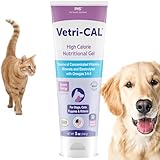
- Complete Nutritional Support: A high-calorie gel formulated for both dogs and cats, packed with concentrated vitamins, minerals, electrolytes, and Omega 3-6-9 fatty acids to help support overall wellness, especially during times of stress, recovery, or low energy.
- Versatile Health Booster: Perfect for pets facing appetite issues, recovering from illness, underweight conditions, or increased physical demands. Helps promote muscle development, restore vitality, and maintain daily energy levels for active or aging pets alike.
- Tasty & Easy to Give: Offered in a palatable malt flavor that pets love—just squeeze directly into their mouth or mix with food. The convenient 5 oz tube makes daily supplementation clean, simple, and mess-free for pet parents.
- Simple Dosage Instructions: Give 1½ teaspoons per 10 lbs of body weight daily. For pets refusing food or requiring extra support, the dosage can be safely doubled. Tailored to support pets of all sizes with flexible use.
- Packed with Essential Nutrients: Fortified with critical nutrients like Vitamins A, D, E, and B-complex, plus key minerals to reinforce immune function, skin and coat health, and internal organ function—making it an all-in-one nutritional companion.
Last update on 2026-08-21 / Affiliate links / Images from Amazon Product Advertising API
When to Consult a Vet
Sudden-onset biting after 20 weeks, or escalation to punctures, warrants an immediate visit to the vet. Such cases sometimes trace to undiagnosed dental pain or otitis.
These medical issues create discomfort that triggers the behavior.
Pain often leads a puppy to react when owners touch sensitive areas. Ear infections and mouth problems can make normal handling feel unbearable.
A professional examination quickly identifies these hidden causes.
Certain signs indicate the need for prompt attention within 48 hours.
Five medical red flags include biting when ears or mouth are touched, resistance to chew toys, excessive drooling, pawing at the face, and lethargy. These symptoms suggest more than simple teething discomfort.
Owners can prepare for the appointment by clearly describing the pattern. A sample statement might be, “My puppy started biting during play and now reacts when I touch his ears or mouth.”
This detail helps the veterinarian focus the evaluation.
The expected diagnostics include a full oral exam under sedation, ear cytology, and pain scoring using the Glasgow CMPS scale for canines.
These steps reveal issues that require treatment before behavior correction can begin.
Addressing underlying pain supports effective training efforts later. Without addressing the medical component, attempts at punishment may worsen the situation.
Timely veterinary care creates a foundation for safer interactions at home.
Frequently Asked Questions
_4.jpeg)
How to Punish a Puppy for Biting without causing fear?
When learning, avoid physical corrections; instead, use brief time-outs or redirection to a toy so your puppy associates the behavior with a calm consequence rather than pain or intimidation.
What are common mistakes when figuring out Biting Issues
Many owners make the error of yelling or hitting while attempting to punish a Puppy For Biting; these actions often increase anxiety and can worsen nipping over time.
Is timing important?
Yes, immediate but gentle feedback is essential so the puppy connects the action with the response before moving on to positive play.
Training alternatives?
Experts recommend replacing traditional punishment with consistent redirection and reward-based methods, making it unnecessary in most cases.
How does consistency affect results?
Applying the same calm response every time is key to success with How to Punish a Puppy For Biting, helping your puppy quickly learn what is acceptable during play.
Should I consult a professional?
If biting persists, a certified trainer can guide you on safe approaches to help your puppy develop good habits without stress.


