
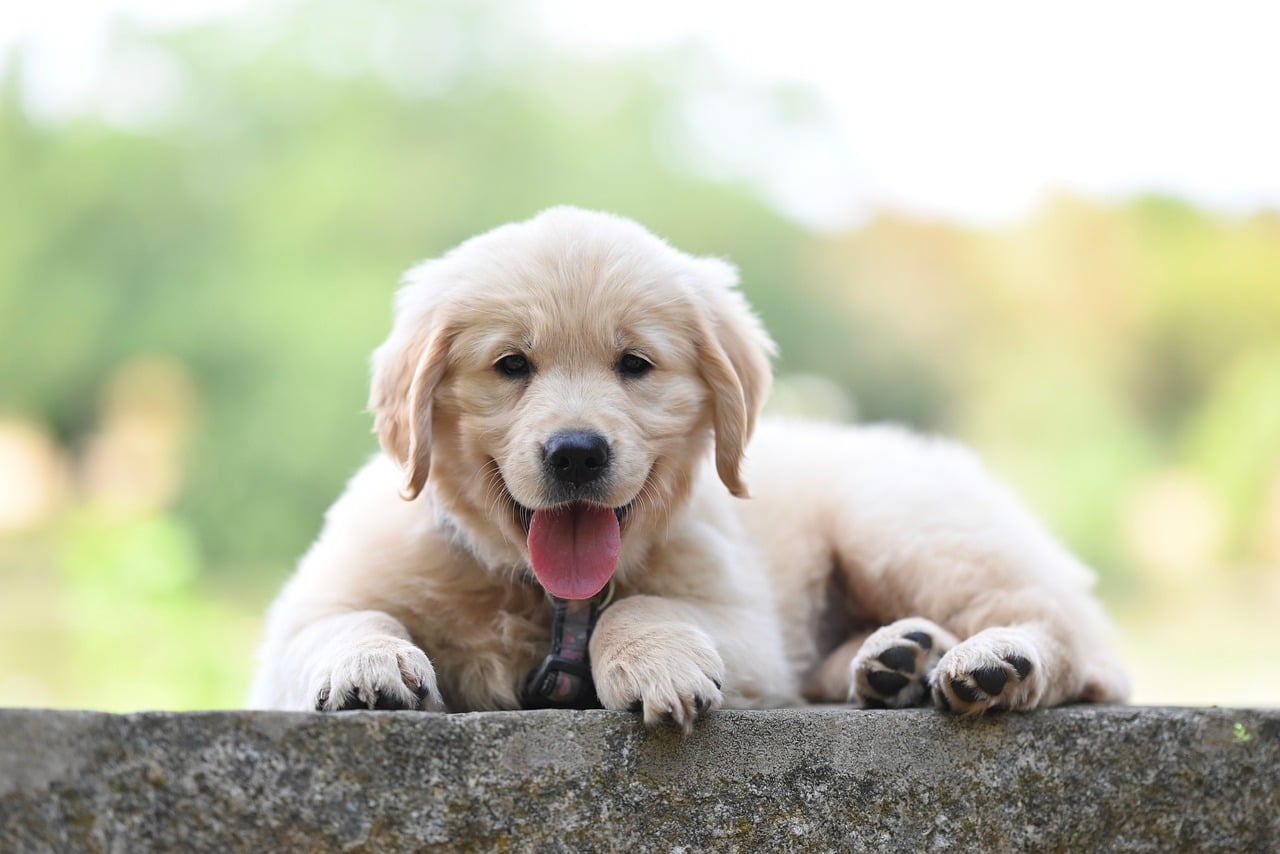
Puppy House-Training Mistakes That Can Slow Progress
What Not to Do with Puppies
Puppy house-training takes patience, consistency, and a routine that gives your puppy frequent chances to succeed.
Avoiding common puppy house-training mistakes helps prevent fear, damaged trust, and health risks.
Indoor mishaps don’t mean your puppy is stubborn, and scolding won’t teach bladder control.
Calm, reward-based potty training makes learning clearer and helps your puppy feel secure.
Start with how you respond to mistakes, then build daily habits that support steady progress.
Key Points
- Reward your puppy immediately after they toilet in the right place. Avoid hitting, shouting, leash corrections, and punishment after accidents.
- Use a predictable routine, supervise closely, and limit your puppy’s space until bathroom habits are reliable. Clean accidents with a pet-safe enzymatic cleaner.
- Gradually introduce crate time, early socialization, and time alone. Ask your veterinarian about safe socialization settings and your puppy’s needs.
- Keep toxic foods and unapproved medicines out of reach. Follow veterinary advice on meals, portions, supplements, and treatment.

Last update on 2026-10-25 / Affiliate links / Images from Amazon Product Advertising API
What Not to Do With Puppies During Training
They are learning your household’s rules while adjusting to unfamiliar surroundings.
Avoid common puppy training mistakes by keeping expectations simple, rewarding desired behavior, and making the right choices easy.
Don’t hit, shout, or use leash corrections
Harsh correction can frighten a puppy without explaining what you want. It can also make them wary of your hands, their leash, or approaching you.
The American Veterinary Society of Animal Behavior recommends reward-based training methods. For house-training, use positive reinforcement: offer immediate praise and a small treat after your puppy finishes toileting in the right place. Waiting until you’re back indoors makes the connection less clear.
When unwanted behavior happens, calmly interrupt when appropriate, then offer an acceptable activity. During training, give one brief cue and pause instead of repeating commands; reward your puppy’s response. For example, put an accessible shoe away and offer a puppy-safe chew instead.
Also keep household responses consistent so your puppy doesn’t face conflicting rules.
Don’t use the crate as punishment or delay training
A crate should be a comfortable resting place, never somewhere you send your puppy because you’re angry.
Introduce crate training gradually, with the door open at first, and reward voluntary exploration.
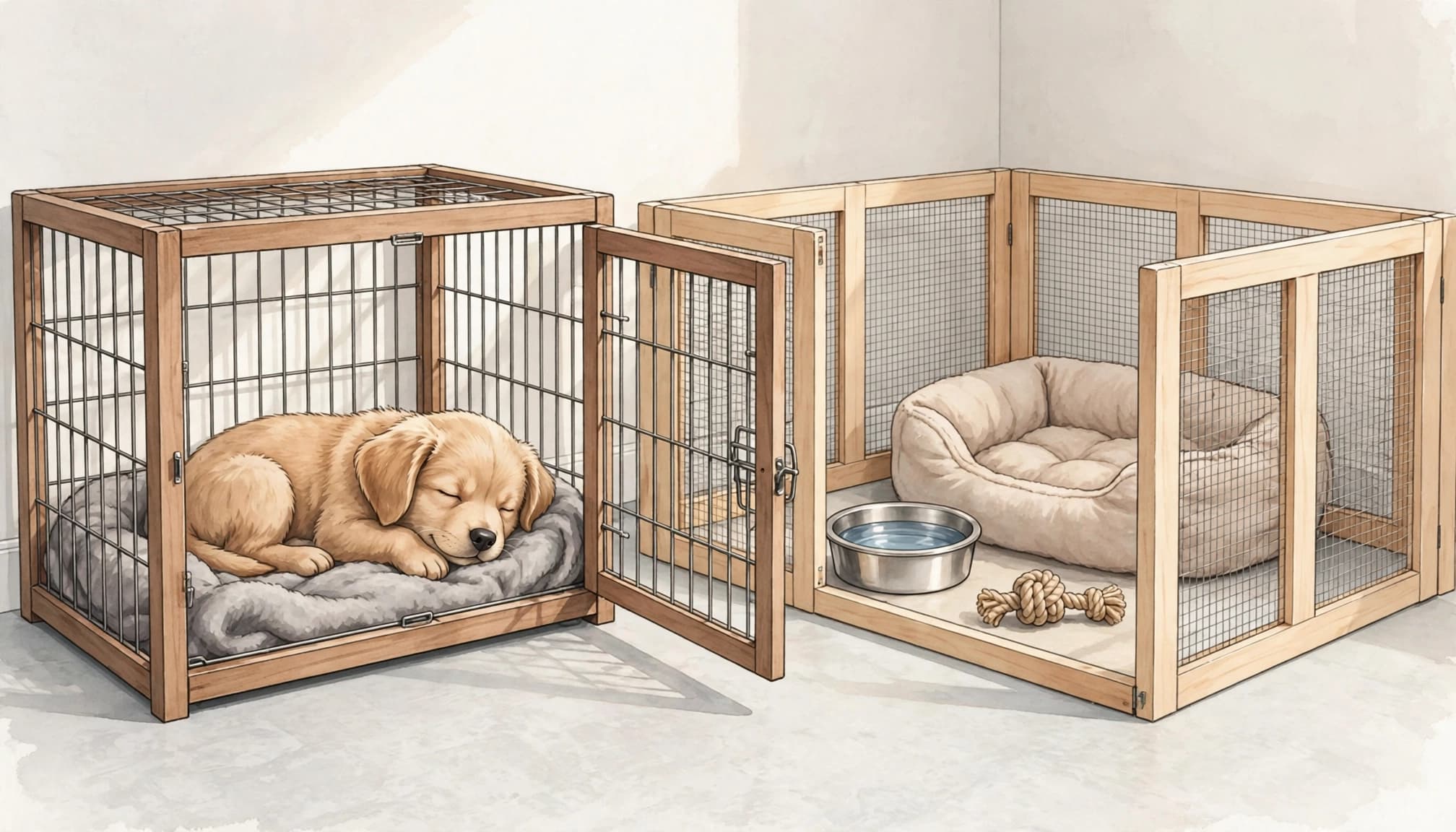
Start gentle routines when your puppy comes home. Predictable potty trips, safe boundaries, and brief lessons give them useful information without overwhelming them.
These positive crate-training tips can help you introduce confinement without making it frightening. However, a crate doesn’t replace bathroom breaks, exercise, or company.
If your puppy shows sustained distress, make the introduction easier rather than forcing them through it.
Don’t skip safe early socialization
AVSAB identifies the first three months as the primary socialization period.
Its puppy socialization guidance supports positive exposure before the vaccine series is complete.
Safe experiences include calm visitors, everyday household sounds, and observing unfamiliar surroundings without direct contact with unknown dogs.
Let your puppy observe at a comfortable distance and reward relaxed behavior.
Ask your veterinarian about local disease risks and suitable settings. Avoid forcing greetings or keeping your puppy in a situation that causes fear. If they withdraw, freeze, or try to escape, create more distance and make the experience easier.
Avoid House-Training Mistakes That Lead to Accidents
A consistent house-training schedule helps you notice your puppy’s needs early.
Close monitoring and smart space management help you catch those moments before your puppy pees indoors.
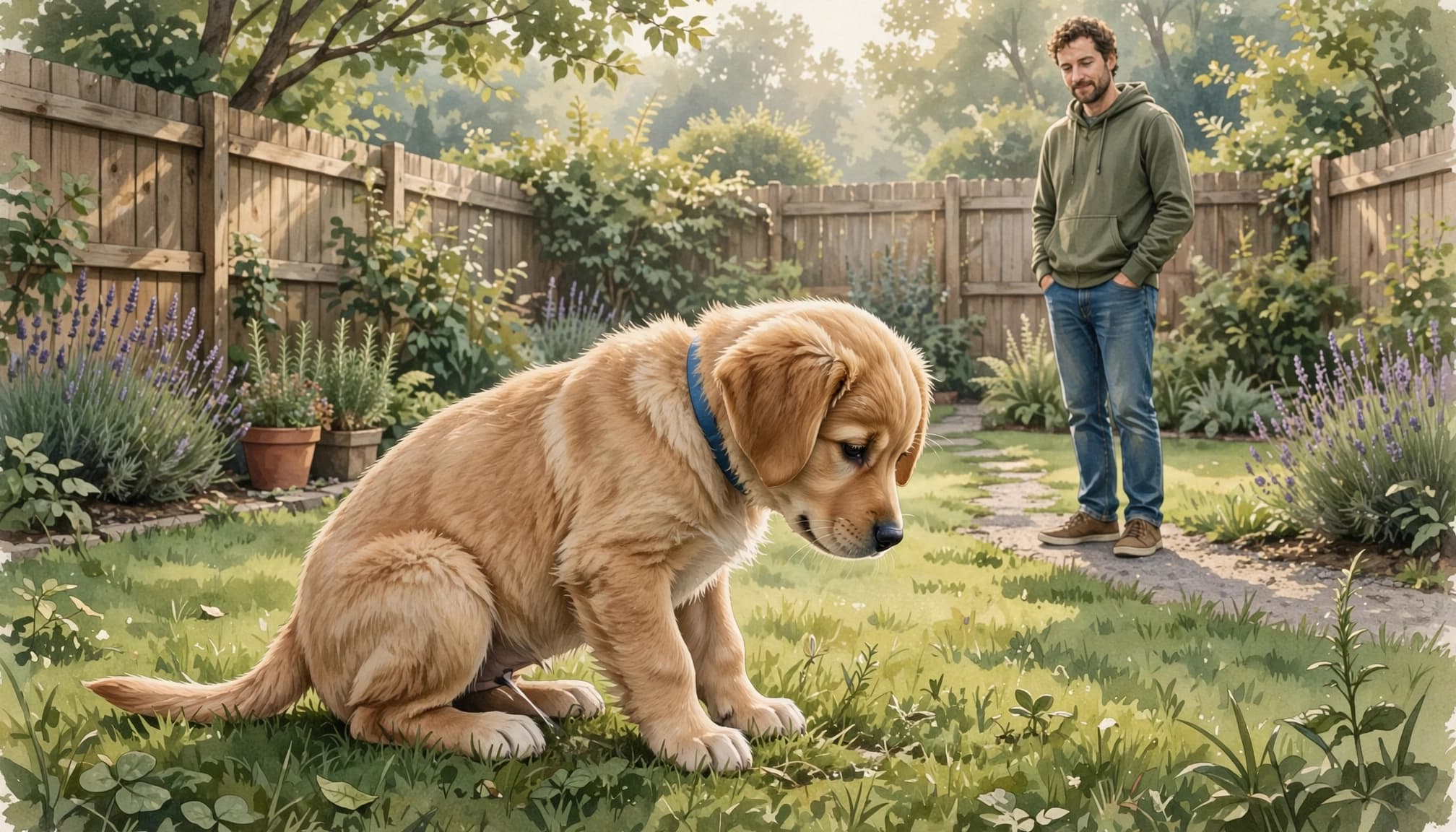
Don’t give a puppy the run of the house too soon
Giving your puppy free roam of several rooms can let them disappear behind furniture before you notice a potty signal.
Extra freedom also creates more opportunities to chew unsafe objects.
When you can’t supervise your puppy directly, start with a gated, puppy-safe area, a playpen, or a properly introduced crate.
During supervised time, watch for sniffing, circling, or sudden departures from an activity.
For consistent potty training, offer potty opportunities after waking, eating, and active play, and whenever your puppy signals a need.
Then expand access gradually as reliable habits develop. If potty accidents become more frequent, reduce the space again and strengthen supervision. Your puppy needs more support, not a reprimand.
Don’t leave accidents uncleaned or punish your puppy afterward
Lingering urine or stool odor can encourage a puppy to return to the same spot.
Clean messes thoroughly with a pet-safe enzymatic cleaner, following the label’s directions. Surface wiping alone may leave odor in carpet or upholstery.
If you discover an old mess, clean it without scolding. Your puppy won’t connect delayed punishment with the place you want them to use.
If you catch your puppy beginning to toilet indoors, calmly guide them to the appropriate potty area or elimination spot. Reward them if they finish there.
Knowing how to respond to puppy accidents helps you redirect without frightening them.
Punishment can teach a puppy to avoid toileting in front of you, which makes rewarding the right location harder.

- 6-LAYER LEAK-PROOF PROTECTION: This advanced system features a quick-dry quilted top layer, an absorbent tissue layer that draws liquid down, and a polymer core that instantly turns liquid into gel. Enhanced with absorbent wood pulp and tissue layers, it is sealed with a polyethylene backing for complete leak-proof protection
- ODOR CONTROL: Infused with an odor neutralizer that eliminates odors, keeping your home fresh and clean
- BUILT-IN ATTRACANT: Specially formulated to tap into your dog’s natural instincts, encouraging them to return to the same spot, making potty training easier for dogs of all life stages
- ALL ABSORB TECHNOLOGY: This ultra-fast absorption technology instantly locks away up to 5 cups of liquid, trapping moisture deep within the core to prevent tracking and keep your pet’s paws clean and dry
- MANY WAYS TO USE: Designed for multiple uses—whether on the floor, in a puppy crate, or as a travel liner. Great for housebreaking, senior pet care, excitable urination, post-surgery recovery, apartment pet parenting, and unexpected accidents

Last update on 2026-10-26 / Affiliate links / Images from Amazon Product Advertising API
Don’t leave a puppy alone for long stretches
Extended isolation in a basement, laundry room, or distant room makes it harder to notice bathroom needs. It can also leave a young puppy distressed and with too little interaction.
Arrange age-appropriate supervision and company throughout the day. If you’re away, plan help for potty breaks instead of expecting your puppy to hold it indefinitely.
Gradually practice comfortable alone time, separate from house-training demands. Meanwhile, keep a simple record of meals, naps, potty trips, and indoor soiling.
Patterns in that record can show where your routine needs adjustment before you increase time alone.
Protect Your Puppy’s Health With Better Daily Habits
Food and medication mistakes can become medical emergencies. Because puppies’ needs vary with age and health, get veterinary guidance for feeding decisions and treatments.
Don’t share toxic foods or unapproved table scraps
Chocolate, grapes, and onions belong out of your puppy’s reach. The ASPCA’s foods to avoid feeding pets also includes other common household hazards.
Keep food off low tables and secure rubbish bins. Remind everyone in the household that even a small, casually offered snack can still be dangerous.
Watch out for mixed dishes, as sauces and leftovers may contain harmful ingredients.
If your puppy eats something potentially toxic, contact your veterinarian or animal poison control promptly. Don’t wait for symptoms or try a home remedy.
Keep the packaging, ingredient list, or remaining food available so a professional can assess the exposure.
Don’t leave food out all day without a plan
Scheduled meals can make eating habits and potty patterns easier to track. Constant access to food makes it harder to know when your puppy ate or whether their appetite changed.
Follow your veterinarian’s recommendations for meal timing, portions, and an appropriate puppy diet. A single feeding schedule won’t suit every puppy, so avoid copying another dog’s portions.
Build meals into a consistent daily routine alongside rest and potty opportunities. Record changes in appetite and discuss concerns with your vet.
Don’t restrict drinking water to reduce accidents unless your vet gives you a medical reason to do so.
Don’t give human medicine or random supplements
Never give your puppy an over-the-counter human medicine without veterinary approval. A medicine that’s familiar in your bathroom cabinet may be dangerous for a dog, and guessing a smaller dose doesn’t make it safe.
The same caution applies to vitamins, herbal products, and supplements.
Products marketed as natural can still contain unsuitable ingredients or interfere with prescribed treatment.
Call your vet before giving a product, including something another pet previously received. Have the label and ingredient information ready. If your puppy accidentally swallows medication, treat it as a possible poisoning and seek advice immediately rather than attempting treatment yourself.

- EFFECTIVE POTTY TRAINING SPRAY FOR DOGS: Our potty training spray for dogs is designed to teach your furry friend exactly where to go. By using a dog-recognized scent, this go here dog potty training spray marks the correct potty spot, making it easier for you and your puppy to establish consistent bathroom habits without the mess.
- SIMPLIFY PUPPY POTTY TRAINING: With our dog potty training spray, you can make puppy potty training easier and more consistent. This product encourages your dog to return to the same area, which is essential for effective training, especially for puppies, rescue dogs, or those adjusting to new environments.
- VERSATILE INDOOR AND OUTDOOR USE: This pee spray for dogs training is perfect for various surfaces. Whether you’re using pee pads, grass, artificial turf, or designated potty areas, our dog pee spray ensures flexible training options, making it ideal for both indoor and outdoor settings.
- NATURAL AND SAFE FORMULA: Crafted with a gentle, plant-based formula, our puppy potty training spray contains no harsh chemicals, making it safe for daily use. It’s suitable for sensitive noses and provides a natural scent that dogs can easily recognize, ensuring a stress-free training process.
- CONSISTENT RESULTS WITH REGULAR USE: Realistic results are achievable through consistent application of our potty training spray for dogs. Many pets respond within 5–7 days when incorporated into a regular potty routine. Always reward your dog with praise or treats after successful potty behavior to reinforce good habits.
Last update on 2026-10-26 / Affiliate links / Images from Amazon Product Advertising API
Frequently Asked Questions
Should I punish my puppy for having an accident indoors?
No. Punishing your puppy after an accident doesn’t teach them where to go and may make them fearful. Clean the area, watch more closely, and reward your puppy immediately after they finish a successful potty trip.
Can I socialize my puppy before all vaccinations are complete?
Yes, safe, positive socialization can begin before the vaccine series is complete. Ask your vet about local disease risks, and choose controlled settings rather than busy areas with unknown dogs. Keep experiences comfortable and allow your puppy to move away.
How much freedom should a new puppy have at home?
Begin with a limited, puppy-safe area and supervised access elsewhere. Gradually increase freedom as your puppy develops reliable bathroom habits and safe behavior.
If accidents return, temporarily reduce access and offer more opportunities to potty in the right place.
Should I use puppy pads for house-training?
Puppy pads can be convenient, particularly when outdoor access is limited, but they may confuse your puppy about where to eliminate outdoors. If you need to use them, be consistent and transition toward the intended outdoor spot. Reward your puppy for toileting in the right place.
What should I do if my puppy eats a toxic food?
Contact your vet or ASPCA Poison Control at (888) 426-4435 promptly. Have the food type, estimated amount, time eaten, and your puppy’s weight ready. Don’t wait for symptoms or induce vomiting unless a vet or poison-control professional tells you to.
Can I give my puppy human medicine?
Only if a vet directs you to give that product and provides dosing instructions. A product or dose that’s safe for a person may be dangerous for a puppy. Don’t substitute another medicine or use leftover treatment without vet approval.

- Dimensions – This dog leash measures 3/4in wide by 20 feet long. Great for hiking, camping, training, hunting, backyard, beach, recall training, outdoor play with tennis balls, and swimming!
- Long Leash: This training leash is great for teaching your dog recalls. It has the length needed to allow them to wander and ensure your command to come! is obeyed.
- Nylon Training Lead – This durable, long, nylon dog training leash will outlast cotton leashes. All stitching is reinforced and the nickel plated clip swivels to resist twisting. Our long dog leash is great for medium and large dogs. You’ll love using it as a backyard dog leash, for off leash dog training, and more.
- Allows you to teach your dog recalls and other obedience skills.
- Swivel-style bolt snap resists twisting
Last update on 2026-10-26 / Affiliate links / Images from Amazon Product Advertising API
Build Trust Through Small, Consistent Wins
Patient care gives your puppy repeated chances to learn without fear. Watch closely, follow predictable routines, and offer immediate rewards to make house-training clearer while protecting your relationship.
Treat accidents as information about the support your puppy needs. Seek veterinary guidance for health concerns or suspected poisoning, and avoid guessing about food or medication safety.
Reward the small wins, including successful potty trips and calm moments in a safe resting space. Those everyday successes build dependable habits over time.
Potty training your puppy successfully while living in an apartment is entirely achievable. By understanding your unique environment, using the right tools, establishing a consistent routine, addressing challenges, and maintaining ongoing progress, you can create a seamless potty training experience.
Remember, patience and consistency are your best allies in this journey. Every puppy is different; adjusting your strategies to align with their learning style is crucial.
As an urban pet owner, you play a significant role in your puppy’s development.
Not only does effective potty training benefit your living situation, but it also contributes to your puppy’s happiness and well-being.
With the right mindset and tools, you can confidently navigate potty training and build lifelong habits.
Take action today—start implementing these strategies and watch your puppy thrive in their urban home.
Action Steps
1. Assess your apartment layout and identify a suitable potty area.
2. Gather essential tools: puppy pads, crate, and cleaning supplies.
3. Create a potty training schedule aligned with your puppy’s natural habits.
4. Monitor and document your puppy’s signals when they need to potty.
5. Introduce positive reinforcement and rewards immediately after potty success.
6. Address and eliminate distractions during training sessions.
7. Consult a veterinarian if behavior changes or accidents persist.
8. Maintain socialization opportunities for your puppy.
9. Regularly review and adjust your training strategies.
10. Celebrate small victories to maintain motivation for both you and your puppy.
Resources
1. “The Art of Raising a Puppy” by The Monks of New Skete: A classic guide on raising well-behaved dogs.
2. Local puppy training classes: Check community centers or pet stores for professional guidance.
3. Websites like the American Kennel Club for tips on dog training and behavior.
4. Pet cleaning solutions available commercially for effective mess cleanup.
5. Online forums for urban pet owners to share experiences and tips.
6. Mobile apps that track training schedules and potty habits for convenience.
7. Consult your local veterinarian for health insights impacting potty training.
8. Dog training videos or channels on platforms like YouTube for visual learning.


One Comment