

Puppy Feeding Guidelines: What to Feed, How Much, and When
Getting your puppy’s nutrition right from day one can shape their health for years to come.
Proper feeding supports strong bones, steady growth, and a resilient immune system-foundations that influence everything from energy levels to longevity.
Our guide explores how to select quality foods, establish age-appropriate schedules, meet essential nutrient needs, and avoid common pitfalls that can derail healthy development.

- HEART AND IMMUNE SUPPORT: These multifunctional dog supplements & vitamins feature CoQ10, Cod Liver Oil, and Vitamins A, C, and E to support cardiovascular and immune health for pets
- ADVANCED 8-IN-1 FORMULA: Zesty Paws 8 in 1 Multifunctional Bites include premium ingredients for physical performance, joint support, heart, immune, skin, liver, and gut health
- HEALTHY SKIN AND COAT: Specifically designed for dogs with sensitive skin, this dog skin and coat supplement includes Cod Liver Oil and Vitamin E to promote skin and coat health
- HIP AND JOINT SUPPORT: This dog joint supplement contains Glucosamine, delivering essential nutrients for hip and joint health, providing mobility and muscular support for senior dogs and puppies
- DIGESTIVE AND GUT HEALTH: Each dog vitamins multivitamin contains a six-strain blend for gut health for dogs and digestive health, encouraging healthy gut flora and bowel regularity in dogs
Last update on 2026-08-17 / Affiliate links / Images from Amazon Product Advertising API
Introduction to Puppy Feeding
Proper puppy feeding determines long-term health outcomes, according to Cornell University College of Veterinary Medicine research published in 2023.
Puppy nutrition sets the foundation for healthy development and adult wellness. Meeting these needs requires attention to quality ingredients and portion sizes.
AAFCO nutritional standards recommend a minimum of 22 percent protein and 8 percent fat for growth formulas. These levels support muscle development and energy needs during rapid growth phases.
Puppy food that meets these standards provides balanced nutrition for most young dogs.
Breed size affects calorie requirements significantly. Large breed puppies need about 25 percent fewer calories per pound than small breeds at eight weeks old.
Puppy breed size directly influences how much to feed a puppy throughout the early months.
A Labrador Retriever puppy typically requires around 1,800 calories daily, while a Yorkshire Terrier needs roughly 450 calories. These differences reflect varying puppy metabolism rates across different sizes.
Puppy growth stages should be tracked using the American Kennel Club growth chart for weight milestones at 8, 12, and 16 weeks.
_1.jpeg)
Choosing the Right Food
Food selection depends on breed size, activity level, and digestive health requirements across different growth stages.
Puppy nutrition needs change as your pet develops from weaning through the first year of life. Different breeds mature at different rates and require formulas matched to their specific needs.
Select puppy food formula based on age-specific caloric density and AAFCO complete-and-balanced certification. Puppy food ingredients should support steady growth without excess calories that lead to rapid weight gain. The right choice helps maintain healthy development while meeting daily energy demands.
Small-breed puppies burn calories faster than large-breed pups and need higher-energy formulas.
Puppy metabolism varies with activity level and daily exercise routines. Digestive health also influences which formula works best for your individual pet.
Puppy growth stages require consistent monitoring of weight and body condition. Adjustments become necessary as your puppy transitions from rapid early growth to more stable development. Regular veterinary checkups help track progress and catch any issues early.
Commercial Puppy Food
Hill’s Science Diet Large Breed Puppy (chicken, brown rice, barley) delivers 364 kcal per cup with controlled calcium at 1.2%.
Puppy food quality matters when selecting a commercial brand that meets nutritional standards. Reading labels helps you understand what each product offers your growing pet.
Royal Canin Puppy costs $48 for 30 pounds, while Purina Pro Plan Puppy costs $42 for the same amount. Blue Buffalo Life Protection Puppy sells for $39 per 30 pounds.
Puppy protein levels typically range from 28 to 32 percent across these options, with fat content between 14 and 17 percent and fiber content between 3 and 5 percent.
Wellness CORE Puppy canned food comes in 8-ounce cans and provides a hydration boost when paired with dry kibble. The first ingredient should list a named meat source rather than meat meal or byproducts.
This indicates higher-quality protein that supports muscle development and overall health.
Each brand offers different formulas for small-, medium-, and large-breed puppies. Puppy breed size affects calorie needs and calcium levels to support proper bone growth.
Comparing guaranteed analysis helps match the right product to your pet’s requirements.

- DAILY NUTRITION FOR PUPPIES – These puppy vitamins for small dogs and large dogs support your pet’s daily wellness with a balanced blend of essential vitamins and minerals for early development.
- NURTURES SKIN VITALITY & COAT SHINE – Our chew vitamins for dogs include biotin and omega-3 fatty acids from fish oil to help maintain skin wellness and a soft, shiny coat as your puppy grows.
- SUPPORTS BONE GROWTH & DEVELOPMENT – Fortified with calcium and vitamin D, these pet vitamins and supplements help maintain strong bones during your puppy’s crucial growth stage.
- TASTY CHICKEN FLAVOR PUPPIES LOVE – Made with a delicious chicken flavor, these soft puppy multivitamin chews are easy to give and enjoyable for puppies, even the pickiest pups look forward to them.
- SOFT, PUPPY-FRIENDLY DOG MULTIVITAMINS – The gentle texture of our multivitamins for dogs suits small mouths and sensitive tummies. Each jar includes 90 soft chews for daily use.
Last update on 2026-08-17 / Affiliate links / Images from Amazon Product Advertising API
Homemade Diets
Homemade diets require a veterinary nutritionist formulation per the 2023 Tufts University Cummings School of Veterinary Medicine guidelines.
Puppy balanced nutrition demands careful attention to protein, fats, carbohydrates, and essential minerals. Professional guidance prevents common deficiencies that affect growth.
Recipe ratios typically include 50 percent lean protein, such as chicken breast or ground turkey. Add 25 percent cooked vegetables, such as carrots and green beans, plus 25 percent complex carbs from brown rice or sweet potato.
Puppy calcium needs require 400 milligrams of calcium carbonate per pound of meat to support bone health.
A 20-pound puppy usually consumes 8 ounces of protein, 4 ounces of vegetables, and 4 ounces of carbs daily.
Puppy supplements such as BalanceIT powder help fill nutritional gaps at roughly $15 per month. This addition prevents shortfalls in phosphorus and taurine that homemade meals sometimes lack.
Raw diets carry a Salmonella risk for puppies under 12 months, according to FDA guidelines.
Puppy digestive health benefits from cooked ingredients that reduce bacterial concerns.
Always work with a specialist when creating custom feeding plans for your pet.
Feeding Frequency and Portions
_2.jpeg)
Feeding frequency directly impacts digestive health, with 3 meals daily reducing bloating incidents by 60% versus free feeding.
Puppies require consistent meal timing to support their growing bodies and developing digestive systems. Regular schedules help prevent both overeating and undereating during critical growth periods.
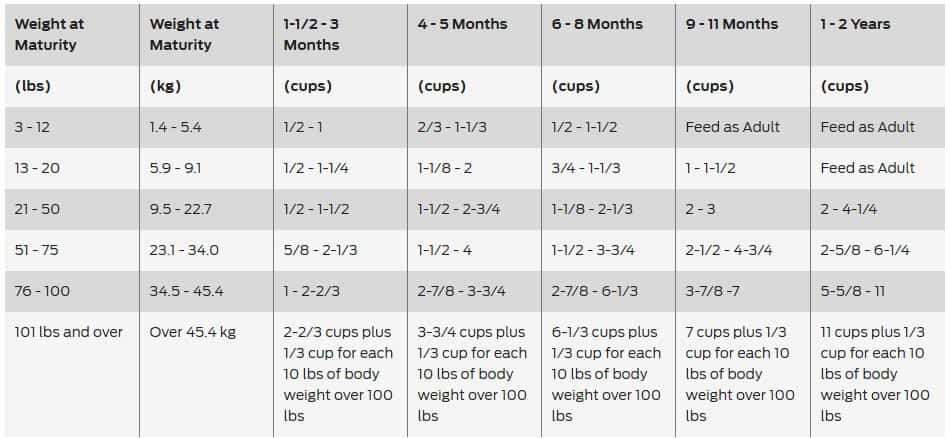
Portion sizes must adjust according to puppy age, weight milestones, and activity level throughout the developmental phases.
Younger puppies need more frequent meals with smaller portions compared to older ones. Puppy metabolism changes as they grow, requiring owners to recalculate amounts at regular intervals.
Tracking weekly weight changes helps determine whether current portions support healthy development. Puppies with higher activity levels may need increased calories to maintain energy.
Puppy weight management starts early with proper portion control and scheduled feeding times.
Consult your veterinarian about specific needs based on your breed, size, and individual health factors. Large breed puppies require different formulas than smaller ones to support proper bone development.
Regular checkups ensure feeding guidelines stay appropriate for each growth stage.
Age-Based Schedules
Puppies 8-12 weeks old receive 4 meals daily at 7 am, 11 am, 3 pm, and 7 pm, with 2-hour intervals for optimal digestion.
This frequent schedule matches their small stomach capacity and fast metabolism. Consistent timing helps establish good puppy eating habits from an early stage.
Break down schedules by age: 8-16 weeks receive 4 meals, 4-6 months receive 3 meals, and 6-12 months receive 2-3 meals.
Reduce to 3 meals when the puppy reaches 16 weeks and maintains a consistent puppy appetite. The transition happens naturally as stomach capacity increases.
Include an overnight fasting window of 8-10 hours between the last and first meal. This rest period supports proper digestion and prevents nighttime accidents.
Scheduled meals reduce obesity risk and lower body condition score compared to free feeding.
Free feeding allows puppies to eat whenever they want, but this approach often leads to overconsumption.
Scheduled feeding creates a predictable puppy mealtime routine that owners can monitor. Both methods have benefits, but most experts recommend scheduled meals for better control.
Portion Control
Use puppy feeding chart calculations where body weight in pounds times 30 equals daily calorie needs, then divide by meal frequency.
This formula provides a starting point for determining how much to feed a puppy. Actual amounts require adjustment based on individual factors.
Provide a formula for a 12-week-old German Shepherd puppy: 35 pounds × 30 = 1,050 calories daily, split into 4 meals of 262 calories each.
Use a 1-cup measuring cup for kibble portions rather than eyeballing. Precise measurement prevents both overfeeding and underfeeding situations.
Perform body condition score checks weekly using the rib palpation test. Ribs should feel like the back of the hand, not the knuckles.
Purina Body Condition System recommends a score of 4-5 as the ideal range for healthy puppies. Weekly checks help catch weight changes early.
Calculate the overfeeding risk when a 10% excess of calories results in a 15% weight gain within 8 weeks.
Puppy obesity risk increases with improper portion control during growth phases. Regular monitoring and adjustment keep puppies at healthy weights throughout development.

- ESSENTIAL NUTRIENTS: Nutri-Vet Puppy-Vite chewables provide essential puppy vitamins and minerals to promote healthy growth, energy support, and immune function; This multivitamin for puppies helps maintain overall puppy health and promotes wellness
- SUPPORTS HEALTHY GROWING PUPPIES: Formulated to promote healthy digestion, immune health, and nutrient absorption, these puppy supplements help maintain balanced puppy nutrition for optimal development, energy support, and long-term puppy wellness
- DELICIOUS TASTE: Savory liver-flavored chewable tablets turn puppy vitamins into a treat your dog will love; Easy to give and packed with nutrients, these puppy supplements make supporting puppy health, nutrition, and wellness simple and effective
- MADE BY VETS: Formulated by veterinarians dedicated to pet wellness, these puppy supplements meet the highest standards of quality and safety; Expertly crafted dog vitamins you can trust to support healthy growth, nutrition, and overall puppy care
- USA MADE: Proudly made in the USA with premium, globally sourced ingredients you can trust; Our supplements, including dog vitamins and dog chews, support overall health, mobility, and wellness for dogs, puppies, and pets, with NASC quality assurance

Last update on 2026-08-17 / Affiliate links / Images from Amazon Product Advertising API
Nutritional Requirements
Puppies need higher levels of macronutrients and micronutrients during rapid growth phases than during adult maintenance.
Their bodies build muscle tissue at a much faster rate than mature dogs. This increased demand shapes every feeding decision you make.
The growth formula requires a minimum of 22-32% protein per AAFCO standards to support 200% higher muscle development than adult maintenance. The formula must also provide sufficient calories to fuel daily activity and tissue repair.
Choosing the right puppy food means checking labels for complete and balanced nutrition statements.
Portion sizes vary by breed size and age. Large-breed puppies grow more slowly than small-breed puppies to protect developing joints.
Your veterinarian can help determine the right amount based on your puppy’s current weight and expected adult size.
Regular weight checks prevent both overfeeding and underfeeding. Track body condition weekly to ensure steady growth without excess fat. Adjust portions as your puppy moves through different growth stages.
Essential Nutrients
_3.jpeg)
Protein minimum 22% with 40% animal-sourced for optimal amino acid profile; fats at 8% minimum include DHA at 0.02% for brain development.
Animal proteins from chicken, fish, and beef provide essential amino acids that support muscle growth. Fats provide concentrated energy and help the body absorb fat-soluble vitamins.
Fats from chicken fat and fish oil deliver omega fatty acids. Aim for a 5:1 ratio of omega-6 to omega-3 to maintain a healthy coat condition.
Carbohydrates from brown rice and sweet potato offer steady energy without overloading the digestive system.
Target DHA levels between 0.02 and 0.05 percent while keeping EPA at 0.05 percent. Calcium should range from 1.0 to 1.8 percent and phosphorus from 0.8 to 1.6 percent. These minerals build strong bones and teeth.
Grain-free formulas may present concerns for large-breed puppies. The 2023 FDA investigation linked some grain-free diets to taurine deficiency and dilated cardiomyopathy.
Most puppies do well on high-quality grain-inclusive puppy food that meets AAFCO standards.
Supplements
Add FortiFlora probiotic (1 packet daily) to reduce the incidence of diarrhea during food transitions.
Digestive support becomes especially important when switching between different puppy food formulas. Probiotics help maintain stable gut bacteria during these changes.
Three supplements address common needs in growing puppies. FortiFlora supports digestive health, while Nordic Naturals Puppy DHA, at 0.5 mL per 10 lb of body weight, aids brain development. Dasuquin joint supplement works well for large breeds starting at six months of age.
Calcium at 400mg daily suits homemade diets only. Never add calcium to commercial food for puppies, as complete formulas already provide appropriate mineral levels.
Excess minerals can disrupt natural bone growth patterns.
Avoid multivitamins because they carry a high risk of hypervitaminosis A and D. Test for deficiencies before adding any supplement costing more than $10 per month.
Consult your veterinarian to confirm your puppy truly needs extra support beyond a balanced puppy food diet.
Feeding Best Practices
Elevated stainless steel bowls at a height of 12 inches reduce the risk of bloat in large-breed puppies.
Stainless steel food bowls offer durability, while ceramic water bowls resist tipping over during meals. Choose containers with a 20-ounce capacity to match the typical intake for growing dogs.
Feed your puppy in a quiet location and maintain a 15-minute meal window. This approach builds a consistent puppy mealtime routine that supports healthy digestion.
Puppies learn to eat efficiently without distractions from household activity.
Replace water twice daily to keep it fresh and clean. Target roughly one ounce of water intake per pound of body weight for proper puppy hydration.
Fresh water supports overall health during active growth stages.
Check stool quality after each meal. Firm, log-shaped stools indicate proper digestion, while loose stools suggest the need for food adjustments. Track changes to maintain optimal digestive health in puppies.
Perform weekly weigh-ins using a digital kitchen scale and adjust portions by up to 10 percent. This method helps track a puppy’s growth stages and prevent overfeeding or underfeeding.
Introduce new puppy food over 7 days by gradually mixing it in. Start with 25 percent new food combined with 75 percent current formula.
Increase the new food percentage every two days until your puppy reaches full transition.

- SUPPLEMENT FOR GROWING PUPPIES – Sure Grow 100 is an oral nutritional supplement that helps promote optimal bone, ligament, and tendon development in puppies of all breeds, eight weeks and older, during periods of rapid growth
- SPECIALLY FORMULATED – Often used by professional breeders and handlers to obtain optimum breed structure, Sure Grow 100 is specially formulated to supply calcium, phosphorus, and vitamins A and D during periods of rapid growth
- FAST-ABSORBING FORMULA – This unique formula features a highly palatable liver flavor dogs love
- SUGGESTED USE – Feed directly or mix with food. May be used by pregnant and lactating females
- ABOUT US – PetAg is a trusted leader in pet wellness, with science-backed formulas in our milk replacers, health supplements, and grooming products helping pet owners to proactively enhance the lives of their pets, for more healthy years together
Last update on 2026-07-23 / Affiliate links / Images from Amazon Product Advertising API
Common Feeding Mistakes
Overfeeding causes 34 percent of puppy obesity cases, triggering joint stress and reducing lifespan by 2 years, according to 2022 Banfield Pet Hospital data.
Puppy owners often make simple errors that impact long-term health. These mistakes create unnecessary challenges during growth phases.
Free feeding represents one common issue. This approach increases the risk of obesity because puppies eat whenever they want. Scheduled meals at fixed times solve this problem by establishing a routine. Owners should measure portions based on age and activity level.
Sudden changes in diet cause digestive upset in many puppies.
Gradual introduction over seven days prevents vomiting and diarrhea. Mix increasing amounts of new food with old food each day to support smooth transitions.
Table scraps add extra calories to daily intake.
Puppy treats should be kept to under 10 percent of total calories for proper weight management. Use low-calorie training treats instead to maintain healthy growth without excess.
Ignoring body condition can lead to underfeeding or overfeeding. Weekly rib checks and weight logs help track progress accurately. Adjust portions based on visible ribs and energy levels during regular assessments.
A Golden Retriever puppy received 25 percent more calories than needed.
This overfeeding contributed to hip dysplasia at 14 months old. The condition required surgery costing several thousand dollars to address joint problems.

- Real chicken is the number one ingredient in this dry food for puppies to help provide the protein he needs for strong, growing muscles, including a healthy heart
- Purina ONE puppy food made with DHA, a nutrient found in mothers’ milk, to support vision and brain development and four antioxidant sources to support a strong immune system
- Easily digestible dog food for puppies features a SmartBlend of high-quality ingredients, including omega-6 fatty acids, vitamins and minerals, for a shiny coat and healthy skin
- This Purina dry puppy food formula is made with no artificial flavors or preservatives and delivers deliciously crunchy bites and tender meaty morsels for a kibble you are both sure to love
- Puppy dry dog food is crafted in Purina-owned, U.S. facilities provides 100 percent for puppies with zero fillers, so every ingredient has a purpose
Last update on 2026-08-17 / Affiliate links / Images from Amazon Product Advertising API
Frequently Asked Questions
_4.jpeg)
Feeding Guidelines For Your Puppy
Feeding Guidelines For Your Puppy are essential to ensure your new furry friend receives the balanced nutrition they need for healthy growth and development. Always choose a high-quality puppy food formulated for their specific age and size.
How often should I feed my puppy?
Under the Feeding Guidelines For Your Puppy, most puppies under six months need three to four meals per day. As they grow, they reduce to two meals daily, typically by the time they turn one year old.
How much food should I give my puppy?
The amount varies by breed and activity level; always follow the Feeding Guidelines For Your Puppy printed on the food bag and adjust based on your puppy’s weight and condition. Do not let your puppy become overweight at a young age.
Can I give my puppy table scraps?
Feeding Guidelines For Your Puppy recommend avoiding table scraps because they can cause digestive upset and lead to nutritional imbalances. Stick to a complete and balanced puppy food for best results.
What type of water should be available?
Fresh, clean water must be available at all times. The Feeding Guidelines For Your Puppy emphasize that hydration is just as important as nutrition for your puppy’s overall health.
When should I transition my puppy to adult food?
Most puppies switch to adult food between 9 and 12 months of age. The Feeding Guidelines For Your Puppy suggest consulting your veterinarian to determine the appropriate feeding schedule based on your dog’s breed and size.


