How to Train Your Puppy Like a Pro: 6 Must-Have Tools
Unlock the secrets to successful puppy training with our comprehensive guide. From sit and stay to tackling puppy mischief, we provide tips to nurture a positive and obedient puppy

Unlock the secrets to successful puppy training with our comprehensive guide. From sit and stay to tackling puppy mischief, we provide tips to nurture a positive and obedient puppy

Thinking of bringing a dog into your life? Discover the crucial factors to consider before adoption, ensuring your home is ready and your new companion thrives. Get insights on choosing the right dog for your family, budgeting, and creating a safe environment

“Learn how to cultivate a joyful environment for your puppy with expert advice on grooming, playtime, and dietary supplements. Find out the best products to support your puppy’s well-being and growth through every stage of puppyhood

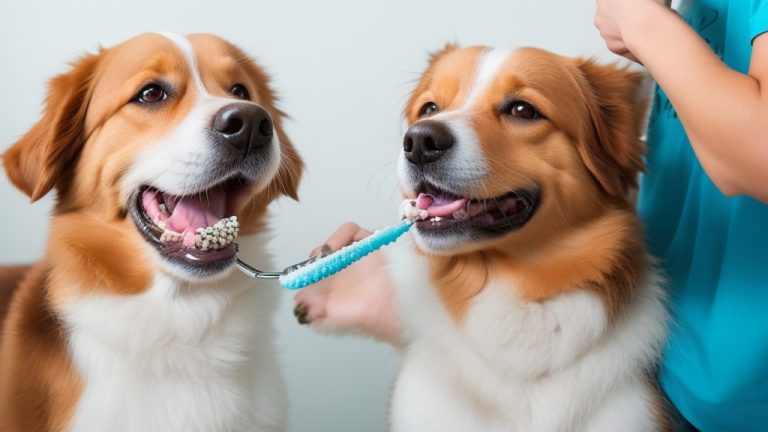
Ensure your dog’s dental health with our expert tips! Learn how to prevent dental disease through daily care, proper vet visits, and the best products. A healthy mouth means a happier dog – find out how to maintain your pup’s pearly whites

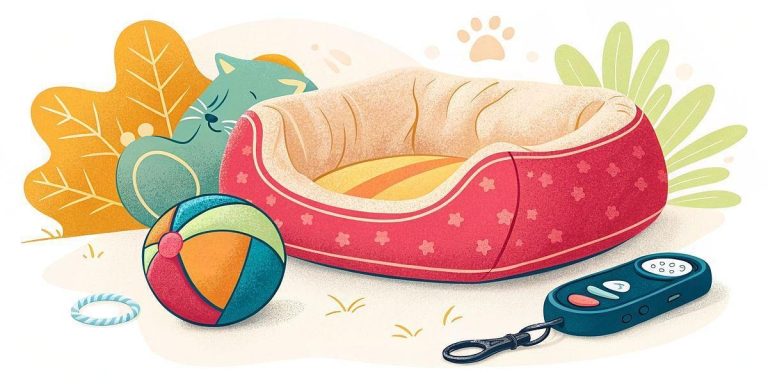
Looking to enhance your puppy training experience? This guide highlights the four indispensable tools that every new puppy owner should have to encourage good behavior, expedite housebreaking, and ensure a smooth training process. Don’t miss out on these game-changing resources

Uncover the best puppy training essentials designed for safety and effectiveness. With our top picks, you’ll simplify grooming, promote positive behavior, and enjoy a happier life with your dog. Begin transforming your puppy into a star student now

Bringing a new puppy home is exciting but can be overwhelming. Equip yourself with the right tools to simplify house training! This guide reveals the top three essentials that will help prevent accidents while building a strong bond with your pup. Learn the best practices now

Explore expert advice on selecting the ideal dog training clicker to enhance your summer training sessions! With focus on safety, usability, and effectiveness, this guide provides valuable information on must-have features and the best products, helping you build a stronger bond with your puppy

Struggling with puppy training? Fear not! Our expert guide offers essential techniques and insights to ensure your furry friend becomes the perfect pet. Learn about positive reinforcement, socialization, and common pitfalls to avoid—start your training journey today

Is your dog struggling with training? Uncover the do’s and don’ts of positive reinforcement strategies that work! This comprehensive guide reveals how to reward good behavior, avoid common pitfalls, and achieve lasting results. Turn training into a fun and rewarding experience

Learn how to raise a perfect puppy with these expert-approved training tips! From crate training to positive reinforcement, these strategies help build trust, avoid common mistakes, and create a lifelong bond with your furry friend. Don’t miss these life-changing tips

Are you struggling to train your puppy? Learn how to select the right dog trainer with our expert recommendations. From training methods to evaluating credentials, our comprehensive guide will help you pave the way for a positive training experience

Uncover the key to creating harmony in your dog pack by mastering the art of introducing a new puppy. Our comprehensive guide provides expert tips, ensuring a seamless transition for your beloved pets
Create a calm and comfortable sleeping environment for your puppy, establish a regular bedtime, and provide a soothing pre-sleep routine. Consistent sleep patterns are crucial for your puppy’s growth and overall well-being.

Incorporate walking as a group activity by inviting another well-behaved dog along. This can provide positive socialization and motivation for your puppy to walk. Ensure the other dog is calm and friendly, which can positively influence your puppy’s behavior.
To choose the right crate, consider your puppy’s adult size, a crate with room to stand and turn around, and durable materials. It should also have a removable tray for easy cleaning.

Managing your puppy’s energy levels through regular exercise, mental stimulation, and structured playtime can help reduce excessive biting tendencies. Providing outlets for physical and mental enrichment contributes to a calmer and more well-behaved pup.

Remember that every puppy is unique, and what works for one may not work for another. Adjust your methods to fit your puppy’s personality and learning style.

Puppies learn quickly, and it’s important to discourage any behavior you don’t want them to exhibit. When your puppy starts to bite or nip at you, it’s essential to let him know that this behavior is unacceptable.

Socialization helps your puppy understand how to get along with other dogs and people and sets them up for success throughout life. Learn how to socialize your puppy and when to start.

Dogs with a dominant temperament are more likely to become aggressive when they feel they are not in control. This can occur for several reasons, including medical problems.

Start by practicing inside your home, where there are fewer distractions to get your pup used to walking in the heel position on a loose leash. This way, they will be more likely to stay focused on you and ignore any other sights or sounds that might be happening around them when they’re outside.

Understanding your dog’s behavior and body language can help prevent conflicts or dangerous situations. This knowledge enables you to recognize signs of discomfort or aggression, ensuring a safer environment for your dog and those around them.

Once basics are mastered, consider advanced commands like “heel,” “leave it,” or tricks to continue mental stimulation. Use positive reinforcement, keep sessions short, and gradually increase the difficulty to challenge your growing pup.

Shaped behaviors require more patience and skill. However, you can be successful at shaping your dog. All it takes is a little planning and a lot of patience. Eventually, your dog will master the new behavior.

You will be training your puppy from the moment you bring it home and start to house train. Puppies start learning from birth. Good breeders begin handling and socialization from birth.

The critical socialization period for puppies is between 3 and 14 weeks of age. Early and consistent socialization during this period can significantly impact their future behavior and temperament.

Puppy training classes provide structured learning environments with professional guidance. They offer socialization opportunities for puppies while educating owners on effective training techniques and addressing specific behavioral concerns.

Start by teaching your puppy to sit on command. Once it has mastered this, gradually increase the duration of the “sit” command before introducing the “stay” command. Use positive reinforcement and patience during training sessions.

Address unwanted behaviors by redirecting your puppy’s attention to positive behavior and rewarding that instead. Avoid scolding or punishment, as it can undermine the effectiveness of positive reinforcement.

Consistency and patience are key to addressing behavioral challenges during house training. Avoid punishing your puppy for accidents and instead focus on reinforcing positive behaviors. Understanding their cues and body language can also help prevent accidents before they occur.

If your puppy has an accident on the carpet, you should move it away from the poop as soon as you notice it. Some puppies will catch on quickly, while others will struggle. Regardless of the situation, you should always

Positive reinforcement, such as treats, praise, or playtime, rewards good behavior and encourages repetition. When your puppy pees outside, immediately praise them and offer a treat. This creates a positive association with peeing outdoors and reinforces the desired behavior.

Remember that a puppy is still a baby and does not understand all the commands you are imposing. You may lose patience when you become frustrated and begin to yell at your puppy, but this will only discourage your pup. If you start to

A Gradual Introduction to the Crate is recommended. Start by leaving the door open and placing treats inside to encourage exploration. Slowly increase time spent in the crate while providing positive reinforcement to build comfort.

Among the easiest commands to teach a puppy, “sit” is an essential skill. This command should be used as default behavior, so your puppy will associate it with the word. Additionally, you can control the rambunctious bursts of

A puppy potty tray will help your pup surprise you when it’s time for the bathroom. You can also set up a patio in your apartment to imitate the potty experience outside.

Teach your puppy basic commands like sit, stay, come, and leave it. These commands form the foundation for good behavior and effective communication with your furry friend. Consistent practice and positive reinforcement will help them master these skills.

When you get a puppy, you may not know how to walk it on a leash. You need to work with your puppy to develop good leash manners. Here are some tips. You should walk with your puppy only if you are near its

If you are planning to potty train your puppy, you must have a safe place where you can take him outside to relieve himself. The place should be less than six feet away and under active supervision. In the beginning, you should
The squeaker in Jerry the Giraffe is sure to delight your puppy! This non-toxic and machine-washable rope toy is designed for interactive and independent play, and is available in different sizes for medium and large dogs.

“Stay” is one of the most important commands a dog should know. It takes a little practice, and some dogs hate this command. Regardless of your dog’s personality, you’ll want to teach it to him in a calm, steady voice. You can use

When training your puppy to respond to his name, remember to use it in a positive way. Make sure the name is associated with something good, such as praise or a treat. Once your puppy learns to associate the name with positive actions

Regardless of the size of your dog, start your training sessions by starting with simple commands and rules. Don’t generalize commands too quickly – dogs struggle to learn and generalize new commands

There are a few different ways to train your dog to let you know when he needs to relieve himself. Initially, you should focus on giving him your full attention and respect throughout the day. Don’t let dinner or work get in the way – focus on your training

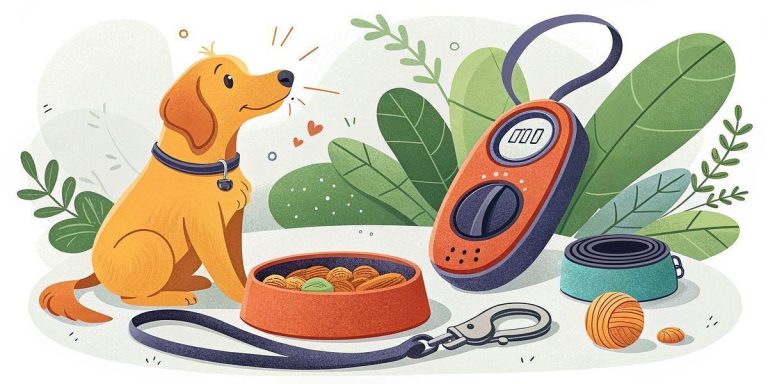
The key to a successful sit training session is the use of treats. Puppy dogs respond to the click of a treat’s clicker eagerly. They may fall into the position accidentally until they know that a treat means a sit. If you present a treat when

While crate-training your dog, place it in a high-traffic area. This will make your dog feel like a part of the family instead of a lonely crate. Also, keep the crate in an area where people tend to interact.

The key to successful training is positive reinforcement. When you praise a dog for positive behavior, he will be more likely to repeat it. Using this technique to discipline a puppy is the gold standard of dog training.

avoid leaving dangerous items in areas where your puppy can access them, such as the kitchen or laundry room. If your puppy can reach the areas where these items are, redirect it to a safe chewing toy instead.

Distracting a puppy for biting can be difficult, but it’s important to remember that the corrective action should always come before the behavior has occurred. By using a variety of distraction toys, you can help distract your puppy while at the

Understanding your dog’s body language and the context of the situation is key to interpreting paw messages. Pay attention to other cues, such as tail wagging, vocalizations, and overall behavior, to decipher what your dog might be trying to communicate.

Start housetraining your pup the moment he comes home. It is important, and surprisingly easy, to train your puppy without him making a single toilet or chewing mistake. Each mistake will make training considerably more difficult. Puppies quickly establish toilet habits and even a single mistake heralds many more in the future.

Since dogs are pack animals by nature, they look for cues from you — the leader of the pack — on how to behave. Learn how to be a pack leader and watch you…

Building a relationship with your dog is the most significant factor for success in training and for a happy life together. Learn the importance of this relationship and how to build it successfully!

A treadmill is a great way to exercise your dog as long as you do it safely. Here is everything you need to know about using a dog treadmill.

Dogs are bound to bark, but excessive dog barking can become an annoying problem. Learn tips to help control and curb nuisance barking behavior.

It’s important to teach your dog to greet people appropriately. Here’s how to stop your dog from jumping up on you and other people.
How to Leash Train a Puppy. Learning how to walk on a leash is one of the most important skills you can teach your puppy. Not only does walking your dog provide much needed exercise for your growing puppy, but it will improve overall…

Positive reinforcement involves rewarding desired behaviors like using the designated potty area. Use treats, praise, and consistency when your puppy eliminates in the right spot. Avoid negative reinforcement, as it can worsen the problem.

Prevention is key when it comes to puppy biting. Ensure they have plenty of appropriate chew toys and bones to redirect their biting onto. Also, be consistent with training and do not encourage rough play, which can lead to more biting behaviors.

A new puppy is often full of fun but it will need some direction from you. Make sure your new puppy is safe, healthy, and gets off to the right start.
End of content
End of content